

20 Trendy Brunette Hair Colors to Try This Fall 2026
Fall is the season when brunette hair truly gets to shine, and 2026 is bringing some of the richest, most creative hair colors combinations we have seen in years. From smoky silver melts to warm cinnamon swirls, this year’s trends lean into depth, contrast, and dimension rather than one flat shade. Stylists are mixing cool and warm tones together on the same head, creating looks that shift and change depending on the light. Whether you have naturally dark hair or you are transitioning from blonde, there is a brunette shade on this list that will feel fresh without straying too far from your roots. Pinterest boards this season are packed with soft glam waves, root smudges, and face framing color pops that photograph beautifully.
Choosing the right brunette shade for fall really comes down to your skin undertone, your current hair health, and how much maintenance you are willing to commit to. Warmer shades like cinnamon, caramel, and maple tend to flatter golden or olive undertones, while ashy and smoky brunettes look stunning on cooler, pink toned skin. Some of these styles require heavy lightening and toning, so talking to your colorist about a realistic timeline is important before you walk in with a picture. Below, you will find twenty brunette color ideas broken down with details on placement, technique, and the overall vibe each one gives off, so you can pin your favorites and bring them straight to your appointment this autumn.
Smoky Silver Finishes on a Cool Brunette Base
This look takes a deep, cool toned brunette base and blends it seamlessly into soft smoky silver ends, creating a finish that feels both moody and modern. The silver is never applied all at once as a solid block of color; instead, colorists weave it through the mid lengths and ends in soft, painterly strokes so it looks like it grew that way naturally. The base itself usually sits in a cool espresso or deep ash brown, which helps the silver read as intentional rather than like faded grey regrowth. It works especially well on hair that already has some natural cool undertones, since warm brown hair tends to pull brassy when silver toner is layered over it, fighting the smoky effect the style is going for.
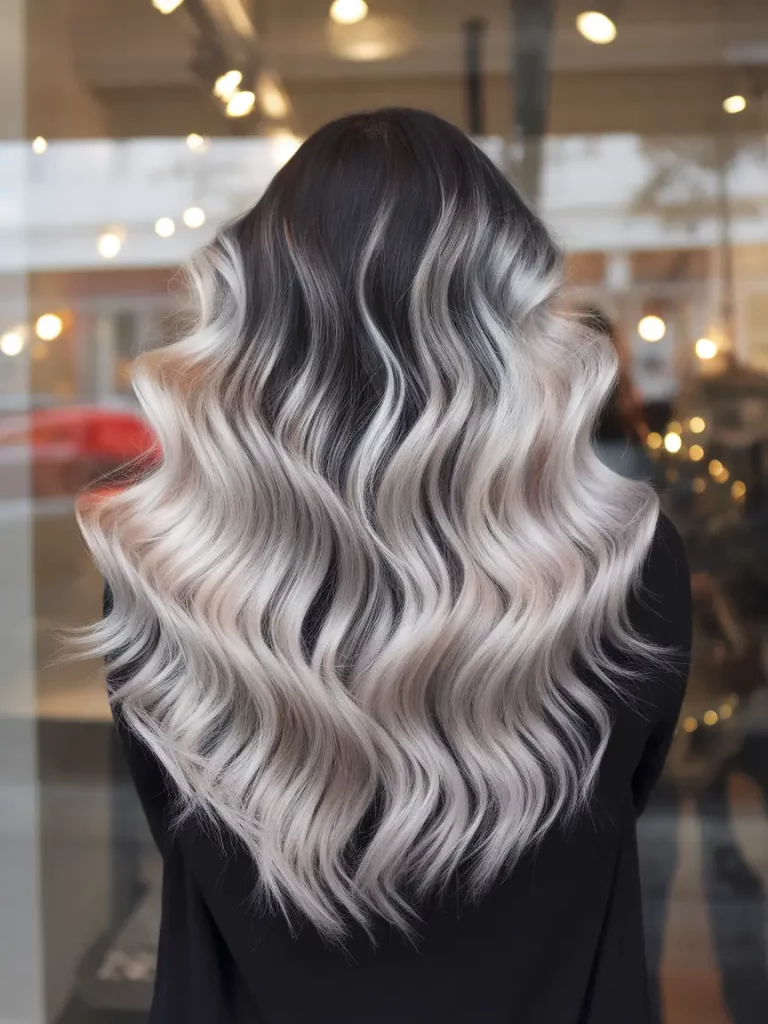
Maintenance is the biggest consideration with this color, since silver tones fade faster than almost any other shade on hair. A purple or blue toning shampoo used once or twice a week will help keep the silver from turning yellow between salon visits, and a bond building treatment is highly recommended given the amount of lightening involved in the ends. Many people choose to get this look refreshed every six to eight weeks to keep the silver looking crisp rather than dull. It photographs beautifully under both natural daylight and warm indoor lighting, which is part of why it has become such a popular pin this fall, especially paired with loose waves that let the silver catch the light.
Styling wise, this color looks most striking with soft waves or a sleek straight finish, since both let the gradient from dark to silver show clearly from root to tip. Curly or very textured hair can still wear this shade beautifully, but the color transition will look slightly more blended and less linear, which some people actually prefer for a softer effect. This is a great option for anyone who loves brunette hair but wants a subtle edge without committing to a full head of grey or silver. It also transitions well into winter, since the cool tones pair naturally with the deeper, moodier color palettes people tend to gravitate toward once the temperature drops.
Dark Brunette and Cherry Cola Drama
Cherry cola is one of the standout combinations for fall 2026, blending a near black brunette base with rich, wine toned red that glows under warm light. The color gets its name because it genuinely resembles the deep reddish brown you would see in a glass of cola, dark and glossy with just enough red pigment to keep it from reading as plain black. Colorists typically build this shade using a semi permanent or demi permanent gloss layered over a natural or lightly lifted brunette base, which allows the red to show through without requiring heavy bleaching. This makes it a fairly accessible option for people who already have dark brown or black hair and simply want to add dimension.
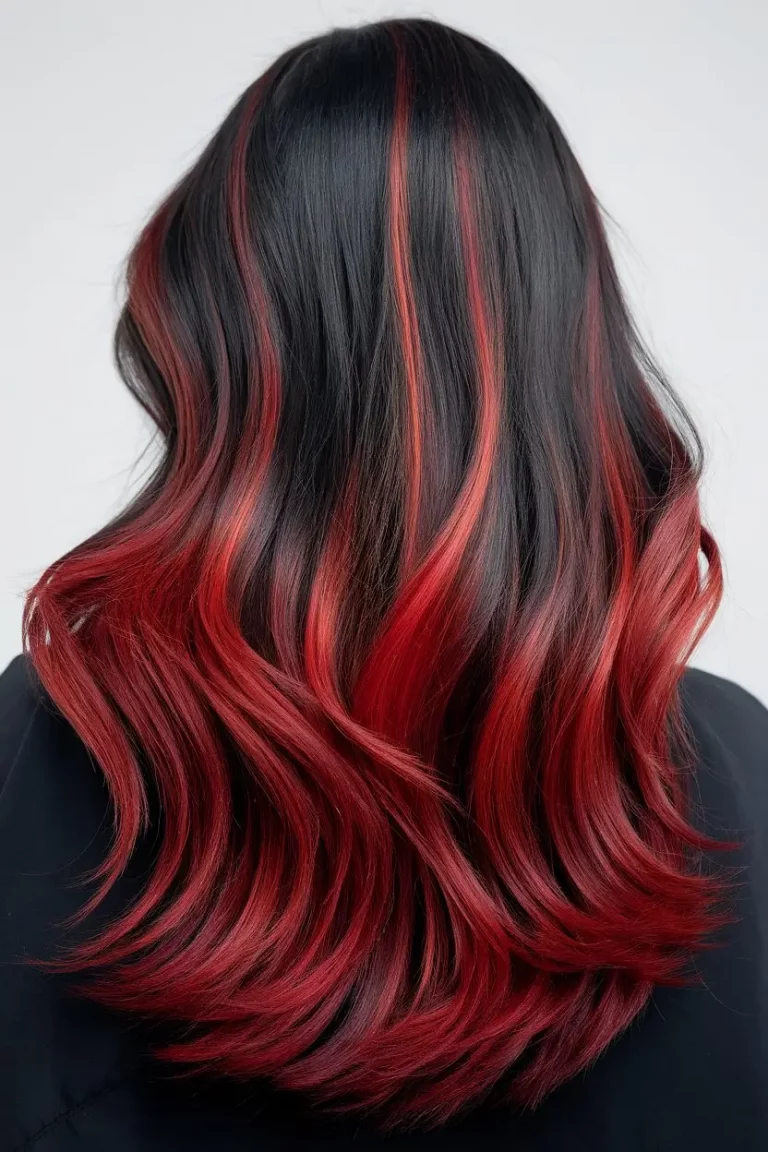
The beauty of cherry cola brunette is how differently it can look depending on the light source. Indoors under warm lighting, the hair can look almost solid black with a subtle red sheen, while stepping into sunlight reveals rich burgundy and mahogany undertones throughout. This chameleon quality is a big reason it performs so well on Pinterest, since the color looks completely different across various photos, giving people plenty of reasons to save it as inspiration. It pairs especially well with fall makeup looks featuring deep berry lips or warm bronzed skin, since the red undertones in the hair complement those same tones on the face.
Because this shade relies on a gloss or demi permanent color rather than permanent lightening, it does fade gradually and evenly rather than growing out with a harsh line. Most people find they need a refresh every four to six weeks to keep the red vibrancy strong, since red pigment molecules are larger and wash out faster than brown or blonde tones. Using a color safe, sulfate free shampoo will extend the life of the red significantly, and washing hair in cooler water helps seal the cuticle and slow down fading. This look works on nearly every hair length, from a blunt lob to long layers, making it one of the more versatile cherry toned brunette options available this season.
Gradient Brunette Melt Silver Blonde
This style takes the classic balayage melt technique and pushes it further, transitioning from a deep brunette root all the way down to a cool, almost platinum silver blonde at the ends. Unlike traditional ombre, which can sometimes look like two distinct colors stacked on top of each other, a proper melt blends every shade in between so gradually that there is no visible line of demarcation anywhere on the hair. Colorists achieve this by hand painting multiple sections of lightener at slightly different saturation levels, then toning the lightened sections with a cool, silver based toner that neutralizes any warmth left behind from the lifting process.
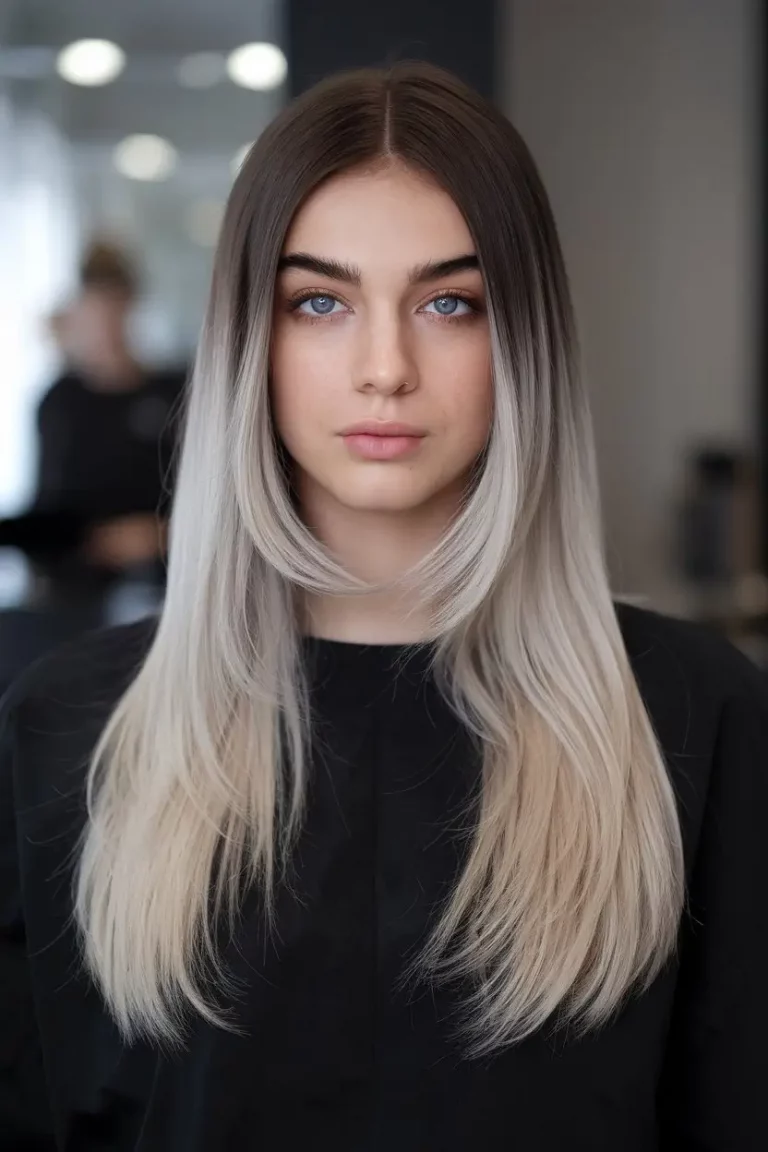
This particular color combination requires a good deal of lightening on the lower half of the hair, so hair health becomes a real factor in how well the final result turns out. People with fine or previously damaged hair may need to stretch the lightening process across multiple appointments to avoid overprocessing, which is something your colorist should walk you through before starting. Once achieved, the contrast between the dark brunette root and the icy silver blonde ends creates a dramatic, eye catching effect that looks especially stunning when hair is worn down and loose, letting the full gradient show from root to tip.
Upkeep for this look involves both root touch ups and toner refreshes, since silver blonde tones shift toward yellow or brassy fairly quickly without intervention. A weekly purple shampoo treatment is essential, and many people also use a leave in toning mask to maintain the cool cast between salon visits. Despite the maintenance, this remains one of the most saved fall color trends because of how photogenic the transition looks, particularly in natural light where the gradient from dark to icy blonde becomes most visible. It works beautifully on long hair with loose curls, since the movement in the hair helps showcase every stage of the color melt.
Brunette Balayage Maple Tones
Maple brunette brings together warm caramel, honey, and deep amber tones woven through a chocolate brown base, evoking the exact color of maple syrup catching afternoon light. This shade sits firmly in the warm family, making it a natural choice for anyone with golden or peachy undertones who wants to add richness without going full red or copper. The balayage technique used here focuses on placing lighter maple tones primarily around the face and through the mid lengths, while keeping the roots and crown area closer to the natural brunette base for a soft, sun kissed effect that looks like it developed naturally over a summer spent outdoors.
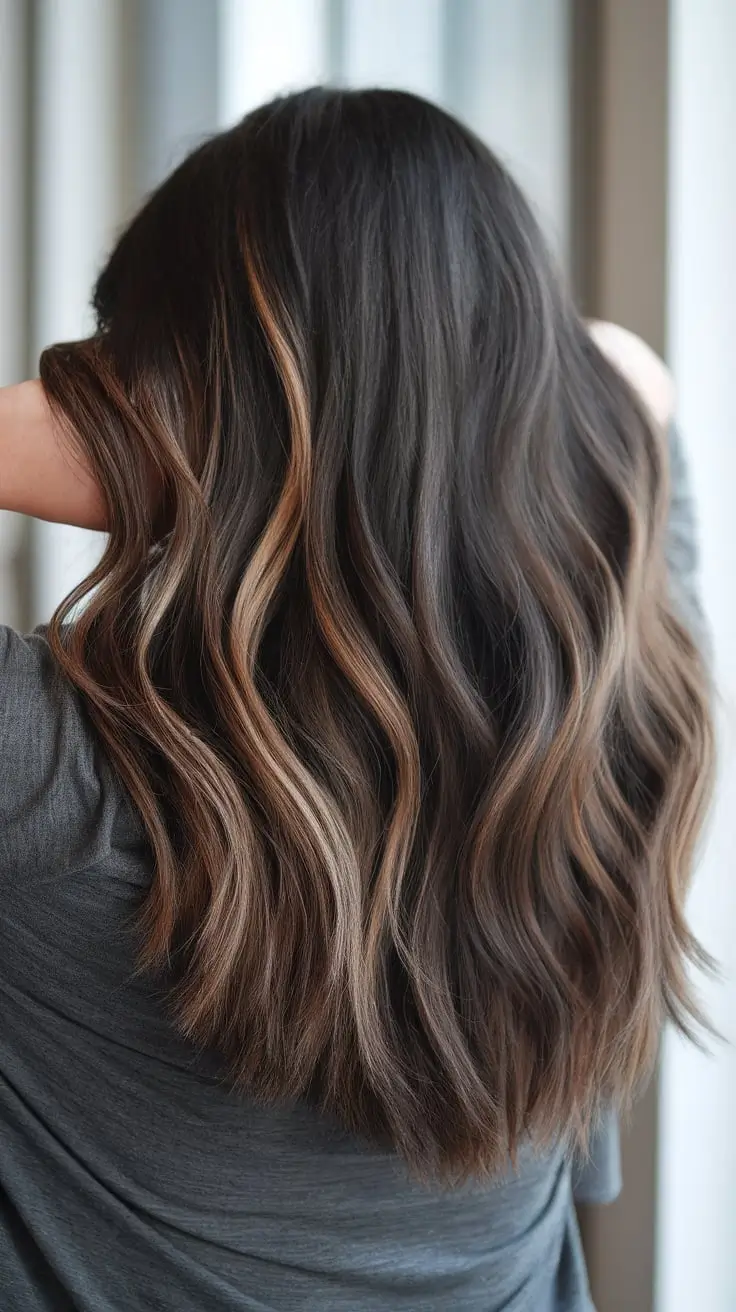
What makes maple tones particularly popular for fall is how well they photograph against autumn backdrops, from falling leaves to cozy sweater weather outfits in burnt orange and mustard yellow. The warmth in the hair color complements these seasonal palettes rather than competing with them, which explains why this shade shows up so often in seasonal Pinterest boards and mood boards. Colorists typically use a combination of foils and freehand painting to build the maple tone gradually, ensuring the transition from dark roots to warm honeyed ends looks soft and blended rather than harsh or stripe like.
Maintenance for maple brunette is moderate compared to cooler, ash based colors, since warm tones tend to fade more gracefully and evenly. A weekly hydrating mask helps preserve shine, since the lightened sections are more prone to dryness than the untouched roots. Root touch ups are typically needed every ten to twelve weeks because the balayage technique naturally grows out with soft, blended regrowth rather than an obvious line. This color pairs beautifully with loose beach waves or soft curls, since the texture helps the maple tones catch light from multiple angles throughout the day, giving the hair extra dimension and movement.
Decadent Chestnut Layers on Autumn Volume
Chestnut brunette has long been a fall favorite, and this version leans into rich, glossy layers designed to maximize volume and movement throughout the hair. The color itself sits in a warm, reddish brown family, somewhere between a classic brunette and a deep auburn, giving it enough richness to feel seasonal without veering into full copper territory. What sets this look apart is the layering technique paired with the color, since shorter face framing layers combined with longer underneath layers create built in volume and bounce that make the chestnut tone appear even more dimensional as the hair moves.
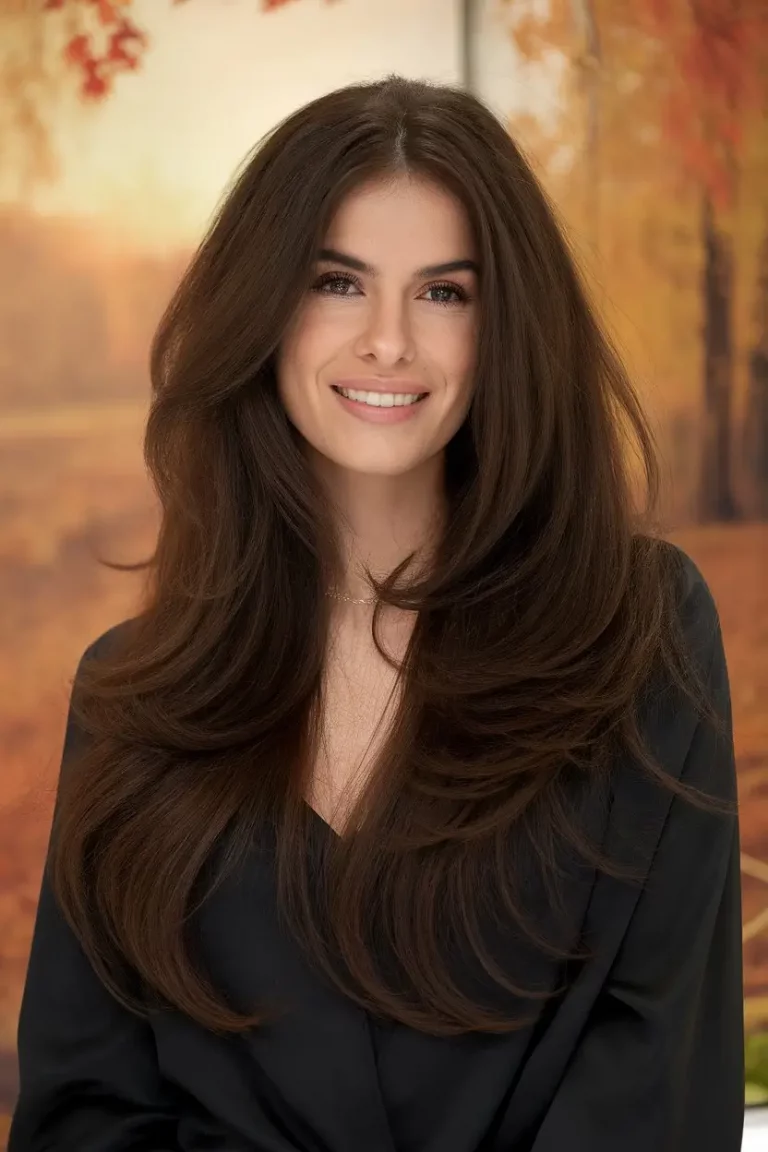
This shade works exceptionally well on medium to thick hair, since the natural body helps showcase the layered cut, though people with finer hair can still achieve a similar effect using a round brush or hot rollers to add lift at the roots. The chestnut color itself is usually achieved with a single process permanent color or a gloss over a natural brunette base, making it one of the more low maintenance options on this list for anyone who already has dark hair and simply wants to enhance the natural tone rather than dramatically lighten it.
Because chestnut relies less on heavy lightening, the hair tends to stay healthier and shinier over time compared to balayage heavy looks that require lifting. Touch ups are generally needed every six to eight weeks to cover new growth and refresh the vibrancy of the red brown tone, especially since this color can fade toward a duller brown without regular gloss treatments. Using a color depositing conditioner between salon visits helps maintain the richness. This look pairs beautifully with soft curtain bangs and layered ends, both of which enhance the volume and movement this style is designed to highlight.
Cinnamon Brunette Subtle Red Underlights
Cinnamon brunette takes a warm, spiced approach to classic brown hair by weaving subtle red underlights beneath the surface layer of the hair. Unlike more dramatic red brunette combinations, this look keeps the red tones hidden underneath the top layer, only revealing themselves when the hair moves, is tucked behind the ear, or catches a breeze. This creates a sense of surprise and depth that feels more sophisticated than an all over red application, since the cinnamon warmth only peeks through in glimpses rather than dominating the entire look.
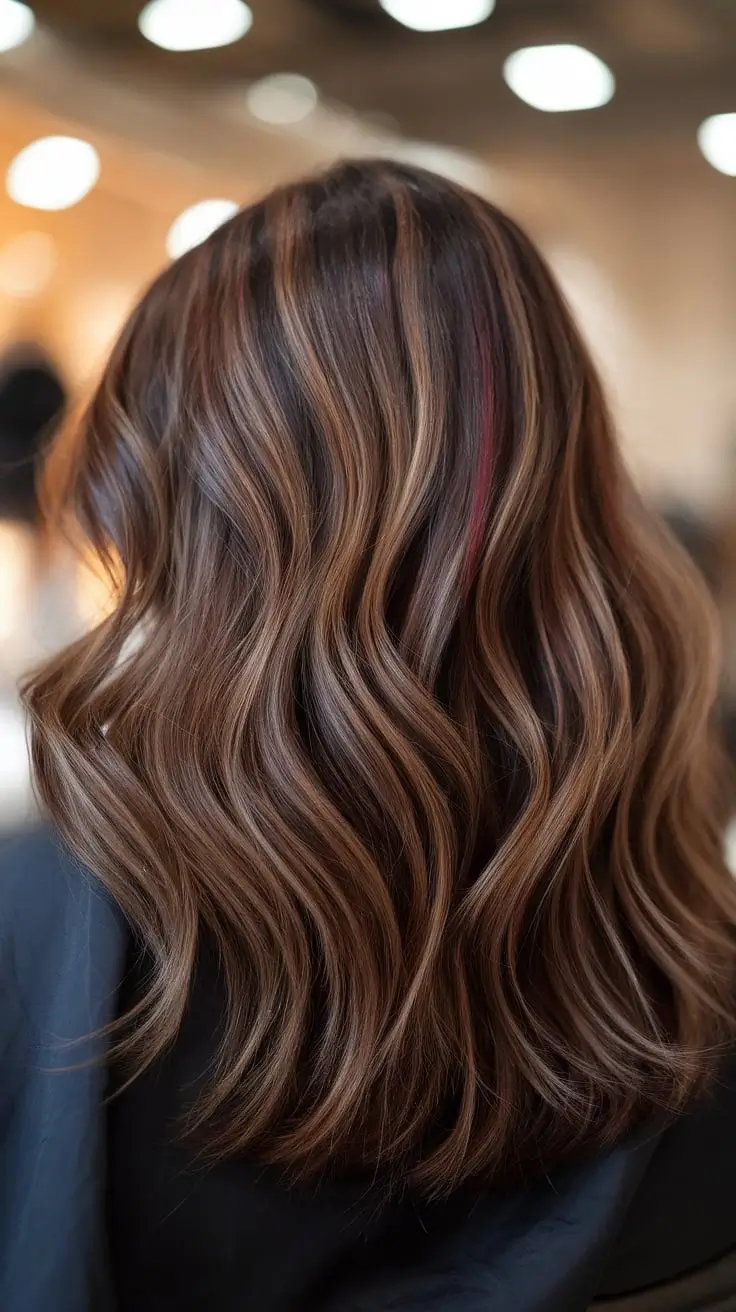
Colorists achieve this effect by sectioning the hair horizontally and applying the red toned color specifically to the underneath sections, while leaving the top layer in its natural or slightly enhanced brunette shade. This technique requires precision, since the goal is a clean, intentional reveal rather than random streaks of color showing through unevenly. The cinnamon tone itself typically leans warm and slightly muted, closer to a spiced auburn than a bright copper, which keeps the overall look wearable for everyday settings while still adding personality and warmth to the hair.
This style is particularly popular among people who want to experiment with red tones without fully committing to an all over red color, since the underlights can be covered easily by wearing hair down or in low ponytails. Maintenance is relatively manageable, with most people refreshing the underneath color every eight to ten weeks depending on how quickly their red tones fade. Updos, half up styles, and braids are especially flattering with this technique, since pulling sections of hair back naturally reveals the hidden cinnamon layer underneath, making it perfect for fall gatherings and cooler weather styling.
Warm Brunette Crimson-Washed
This look takes a warm brunette base and washes it in soft crimson tones, creating a rich, red infused brown that feels bold yet still wearable for daily life. Unlike a full red color transformation, the crimson wash sits more like a tint or glaze over the existing brunette, adding warmth and vibrancy without completely changing the hair’s natural depth. The result is a brown that glows with red undertones in the sunlight while still reading as a sophisticated brunette shade in most indoor lighting, giving it versatility across different settings and occasions throughout the fall season.
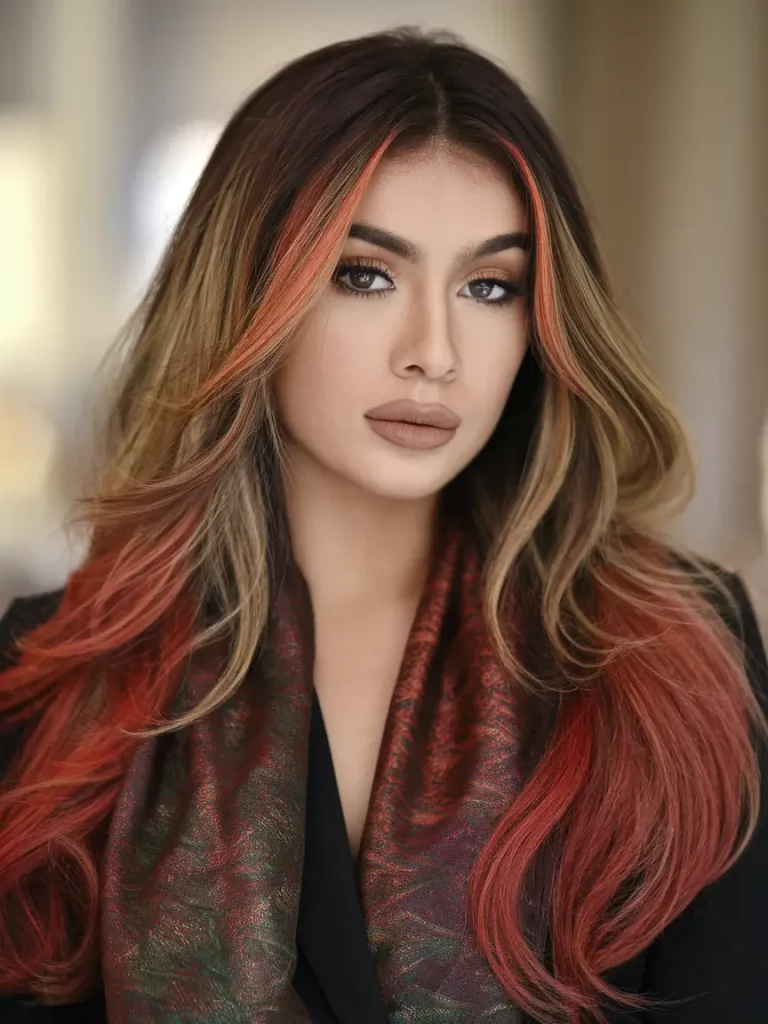
Achieving this color typically involves applying a semi permanent or demi permanent red gloss over natural or previously colored brunette hair, which means minimal to no lightening is required for most people. This makes crimson washed brunette one of the more accessible options on this list, particularly for anyone with virgin hair who wants to experiment with red tones for the first time without committing to a permanent color change or risking significant damage from bleach. The gloss also adds noticeable shine, which enhances how rich and dimensional the crimson tones appear.
Since this color relies on a wash rather than permanent pigment, it does fade over time, typically requiring a refresh every four to six weeks to maintain the crimson intensity. Sulfate free shampoo and cooler water temperatures during washing both help extend the vibrancy between appointments. This shade looks particularly striking on hair styled with soft curls or waves, since the movement helps catch and reflect the red undertones throughout the day. It also pairs well with warm, autumnal makeup looks featuring terracotta or rust toned eyeshadows and lip colors.
Sleek Pony Platinum Frost Panels
This trend focuses less on an all over color change and more on strategic platinum panels placed to enhance a sleek, pulled back ponytail style. Thin to medium sized platinum frost panels are painted primarily around the face and through the top crown section of the hair, so when the hair is styled into a low or high ponytail, these lightened panels frame the face and catch the light beautifully. The rest of the hair remains a rich, natural brunette, creating strong contrast between the icy platinum panels and the deep brown base underneath.
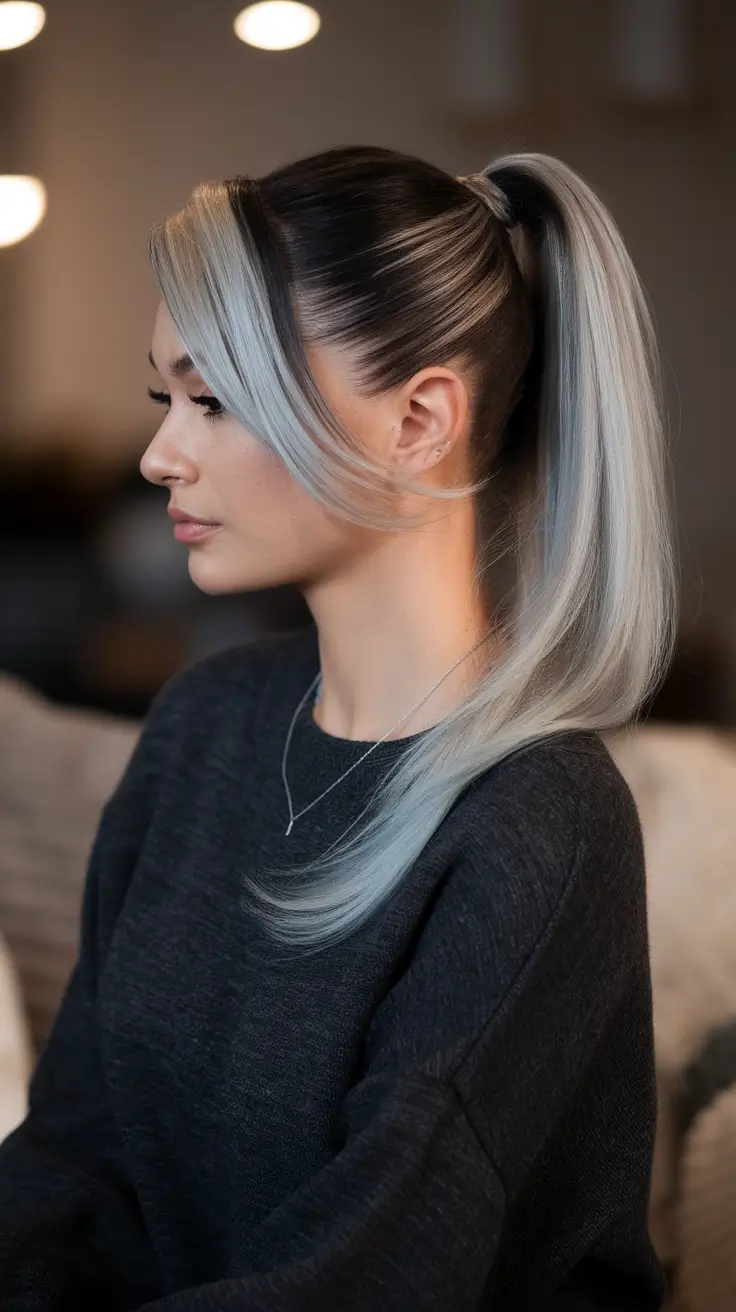
This look has become especially popular for fall because it photographs so well in sleek, polished hairstyles that have been trending across social media and Pinterest. The platinum panels require significant lightening since they are meant to reach a true, cool toned platinum shade rather than a softer blonde, so colorists often need multiple sessions to lift the hair safely without compromising its integrity. A toner is applied afterward to neutralize any yellow or brassy undertones, ensuring the panels read as crisp and icy rather than warm or golden.
Because the platinum sections are heavily lightened, they require diligent maintenance to stay healthy and vibrant. Purple shampoo used weekly helps maintain the cool tone, while a bond repairing treatment is essential to keep the lightened panels from becoming brittle or prone to breakage. Root touch ups on the platinum panels are typically needed every six to eight weeks. This style works best when hair is worn sleek and pulled back, since a ponytail or slicked bun showcases the panels clearly, making it a striking option for anyone wanting a bold accent without lightening their entire head.
Traditional Glossy Cocoa
Traditional glossy cocoa is a timeless brunette shade that focuses less on dramatic technique and more on achieving deep, rich shine throughout an even, all over brown color. This look strips away balayage, highlights, or dimensional color in favor of a single process cocoa brown, applied uniformly from root to tip to create a smooth, polished appearance. The name comes from the color’s resemblance to melted chocolate or cocoa powder, a warm yet slightly deep brown that flatters nearly every skin tone thanks to its balanced undertones that lean neither too warm nor too cool.
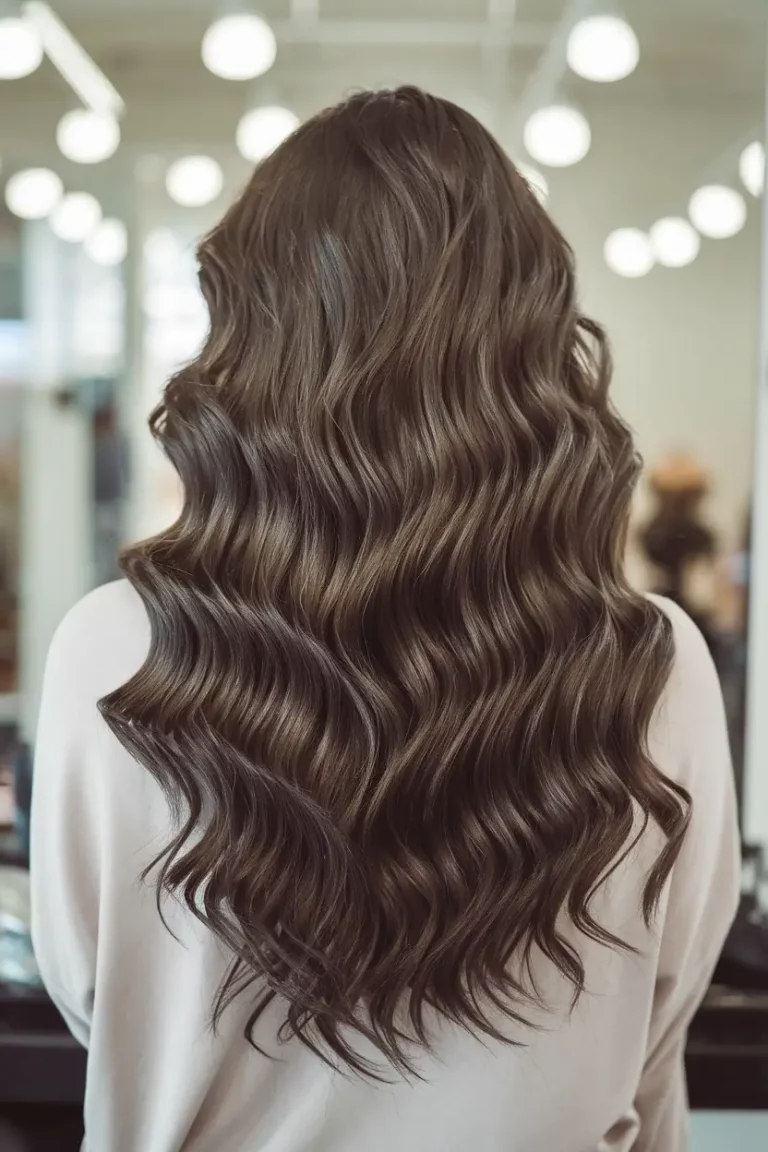
What sets this shade apart from other brunette options is the emphasis on glossiness rather than dimension. Colorists achieve the signature shine through a combination of a rich permanent color base followed by a clear or tinted gloss treatment, which seals the hair cuticle and reflects light more effectively. This process gives the hair an almost lacquered appearance, similar to what you might see in a hair commercial, making it particularly striking in photographs and videos where movement and light play a big role in how the color reads.
Since this is an all over single process color rather than a technique involving multiple lightened sections, maintenance is comparatively simple. Root touch ups are typically needed every four to six weeks depending on how quickly natural regrowth becomes noticeable against the cocoa shade. Regular gloss treatments, roughly every three to four weeks, help maintain the deep shine that defines this look. This style works beautifully on any length or texture, though it tends to show off best on sleek, straight styles or soft waves where the light can travel smoothly down the length of the hair.
Ash Brunette Balayage Graphite-Toned
Ash brunette with graphite toned balayage takes cool, smoky tones to their fullest expression, blending deep ash brown with hints of graphite grey throughout the mid lengths and ends. This color sits firmly in the cool tone family, avoiding any warmth or red undertones in favor of a moody, sophisticated finish that feels distinctly modern. The graphite tones are woven in using a balayage technique, with lightener painted freehand in varying saturations to create soft, natural looking dimension rather than uniform streaks running through the hair.
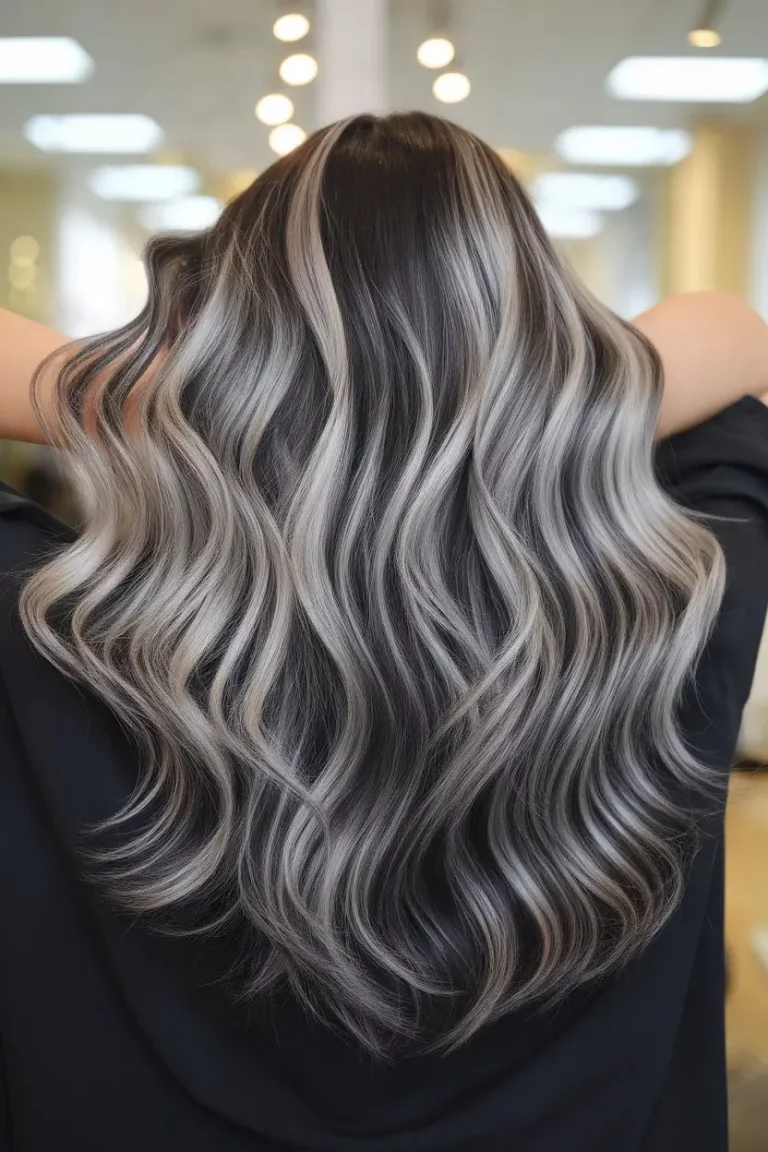
This look tends to perform best on people with naturally cool undertones in their skin, since ash and graphite tones can sometimes read as flat or dull against warmer complexions. Colorists often need to pre lighten sections of the hair before applying a graphite or charcoal toner, since achieving a true cool grey tone requires neutralizing any underlying warmth first. This process can take considerable time in the salon chair, particularly for people starting with naturally warm or reddish brown hair, but the resulting depth and dimension is often worth the extra sessions for those drawn to this aesthetic.
Maintenance for ash brunette with graphite tones requires consistent toning, since cool shades are notoriously prone to fading toward warmth over time. A blue or silver toning shampoo used once or twice weekly helps combat this shift and keeps the graphite tones looking crisp rather than muddy. Root touch ups are generally needed every eight to ten weeks. This color looks particularly striking on sleek, straight hairstyles where the smoky tones can be seen clearly running through the length, though it also translates beautifully to soft waves for a slightly more romantic, textured finish.
Rooted Cocoa Ashy Highlights
This style combines a deep, rooted cocoa base with soft ashy highlights woven throughout the mid lengths and ends, creating a balanced look that feels both grounded and dimensional. The rooted approach means the natural or deepened cocoa color is left visible at the roots, gradually transitioning into the lighter ashy sections rather than starting the highlights immediately at the scalp. This technique has remained popular because it requires less frequent root touch ups while still delivering noticeable dimension and lightness throughout the rest of the hair.
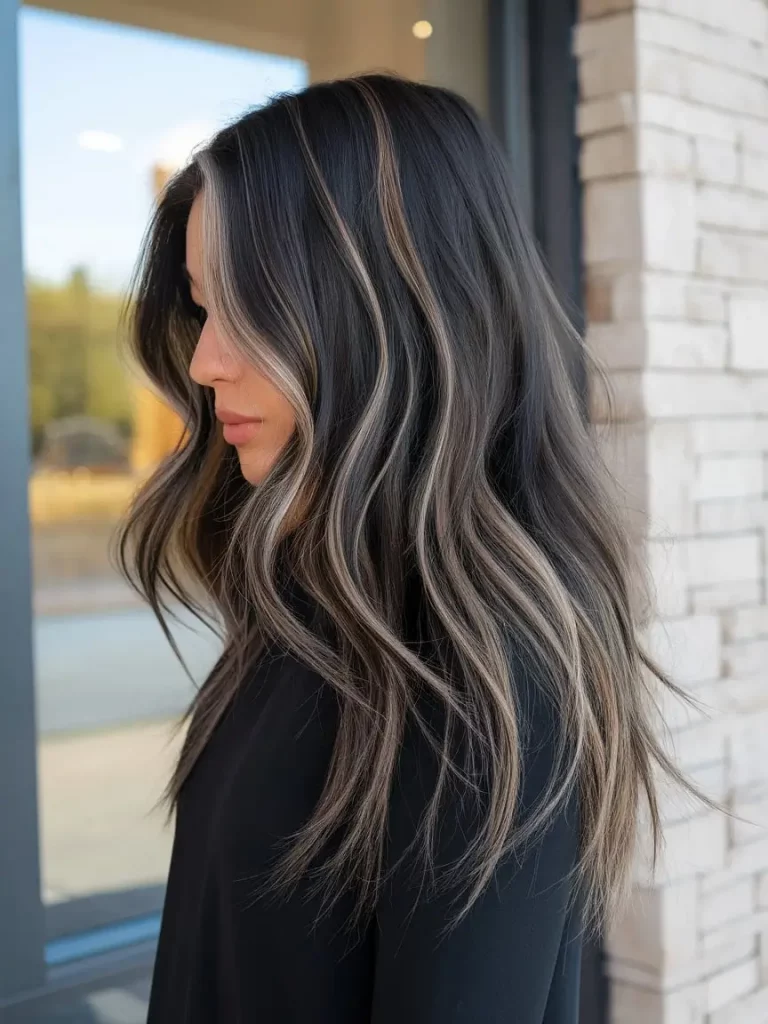
The ashy highlights themselves are toned to avoid any warmth, giving them a cool, almost smoky quality that contrasts nicely against the warm undertones naturally present in cocoa brown hair. Colorists typically use foils for this technique to achieve more precise, controlled placement compared to freehand balayage, ensuring the ashy sections are evenly distributed for a polished, cohesive look. The combination of warm cocoa roots with cool ashy ends creates a color story that feels intentional and well thought out rather than random or patchy.
Because the roots are left in their natural or deepened state, this style is fairly low maintenance in terms of regrowth, with most people comfortable waiting ten to twelve weeks between root services. However, the ashy highlights do require regular toning to prevent them from shifting warm, so incorporating a purple or blue toning shampoo into the weekly hair care routine is recommended. This look works well across various lengths and textures, though it tends to show off its dimension most clearly on hair with some natural wave or texture, which helps the highlights catch light from multiple angles.
Champagne Ends with Sunkissed Espresso
This color pairs a deep, rich espresso base with soft, champagne toned ends, creating a warm yet sophisticated gradient that feels perfect for the transition into fall. The espresso base sits close to the root, staying dark and grounded, while the color gradually lightens through the mid lengths into a soft champagne shade by the time it reaches the ends. Champagne tones themselves carry a subtle warmth with hints of gold and beige, avoiding the starkness of platinum while still providing enough lightness to create noticeable contrast against the dark espresso base.
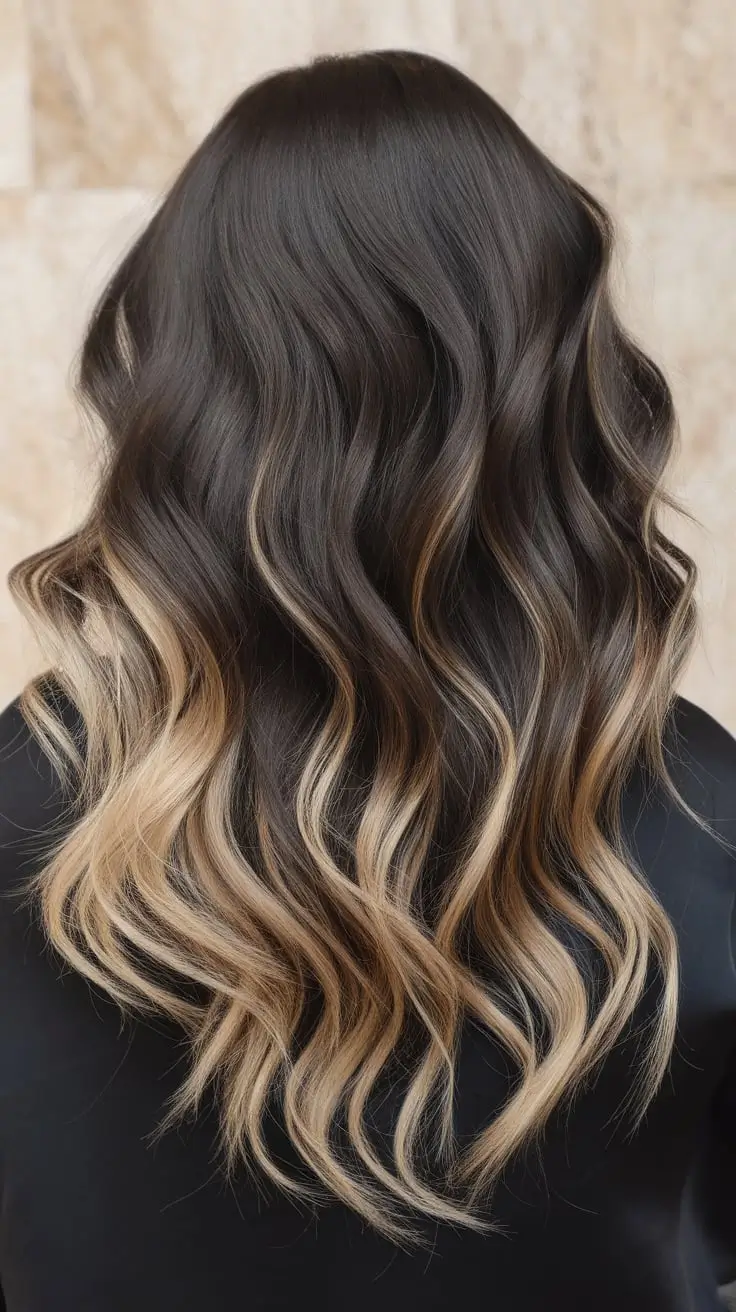
The sunkissed element of this look comes from how the color is applied, with colorists often adding subtle warmth and brightness around the face to mimic the effect of natural sun exposure. This creates a soft, flattering glow near the face while keeping the overall look cohesive with the deeper espresso tones elsewhere. The technique typically involves a combination of balayage and foils, allowing for both the freehand blending needed for a natural gradient and the precision needed to keep the champagne ends looking clean and well defined rather than washed out or brassy.
Maintenance for this style falls into a moderate range, since the espresso roots require less frequent touch ups thanks to their similarity to many people’s natural dark hair color, while the champagne ends need occasional toning to maintain their soft, warm quality without drifting into a dull yellow. Root touch ups are typically needed every ten to twelve weeks, with toning treatments recommended every six to eight weeks. This look pairs beautifully with loose curls or waves, since the movement helps showcase the gradient from dark espresso to soft champagne throughout the length of the hair.
High Contrast Pop Face-Framing Vanilla Strips
This bold look takes a dramatically different approach by placing thick, high contrast vanilla blonde strips specifically around the face against a deep brunette base, creating an eye catching pop of color exactly where it will be noticed most. Unlike softer, blended balayage techniques, this style embraces visible contrast, with clearly defined vanilla sections standing out distinctly against the surrounding dark brunette hair. The vanilla tone itself is a warm, creamy blonde, softer than platinum but still light enough to create striking definition against dark hair.
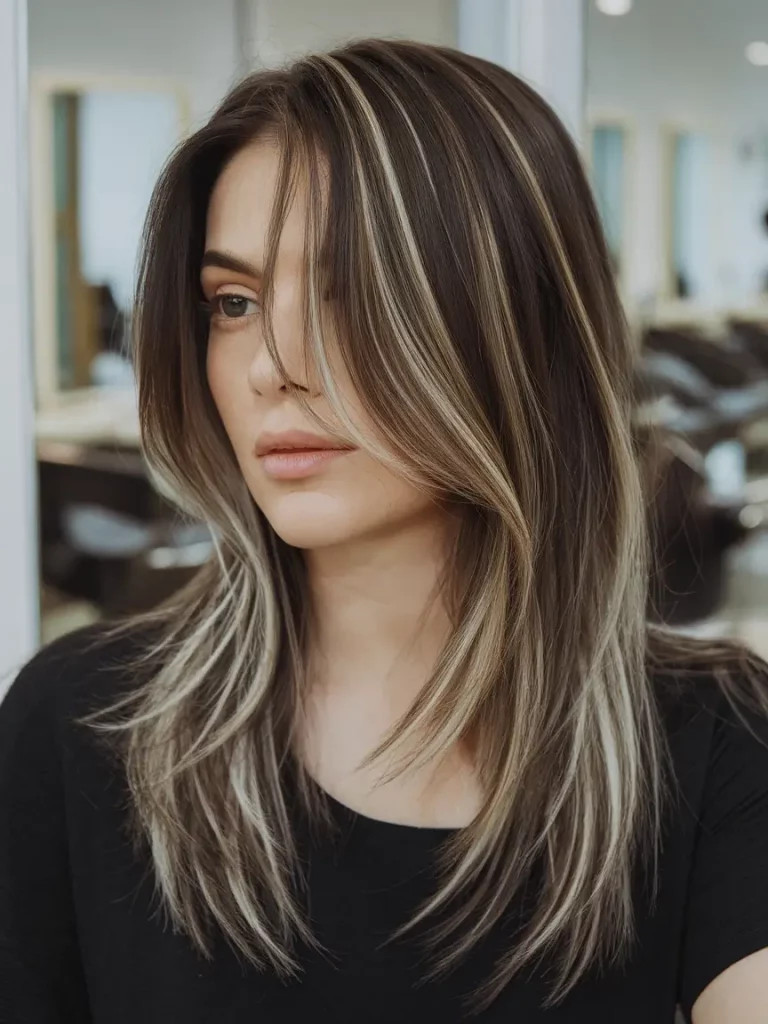
Colorists achieve this look using precise foiling techniques, carefully selecting face framing pieces to lighten while leaving the majority of the hair in its natural or enhanced brunette state. The placement is crucial here, since the goal is to create flattering, symmetrical strips that enhance facial features rather than looking random or uneven. Many colorists will customize the exact placement based on face shape, ensuring the vanilla strips fall in the most flattering positions to brighten the complexion and draw attention to the eyes.
Because the vanilla strips involve significant lightening from a dark brunette base, this look does require some upfront commitment in terms of salon time and potential multiple sessions for those with naturally very dark hair. Once achieved, maintenance involves regular toning to keep the vanilla shade looking creamy rather than brassy, along with root touch ups every six to eight weeks to maintain the crisp, high contrast effect. This style looks particularly striking when hair is worn down and styled with soft waves, allowing the vanilla strips to frame the face beautifully while catching light throughout the day.
Warm Caramel Ribbons on Dimensional Brunette
Warm caramel ribbons bring a soft, sweet warmth to brunette hair through thin, ribbon like streaks of caramel woven throughout a dimensional brown base. Unlike chunkier highlight techniques, this style focuses on delicate, narrow ribbons of color that create subtle movement and shine without overwhelming the overall darkness of the brunette base. The caramel tone itself sits in a warm, golden brown family, reminiscent of melted caramel candy, giving the hair a rich, appetizing quality that photographs beautifully in both natural and warm indoor lighting.
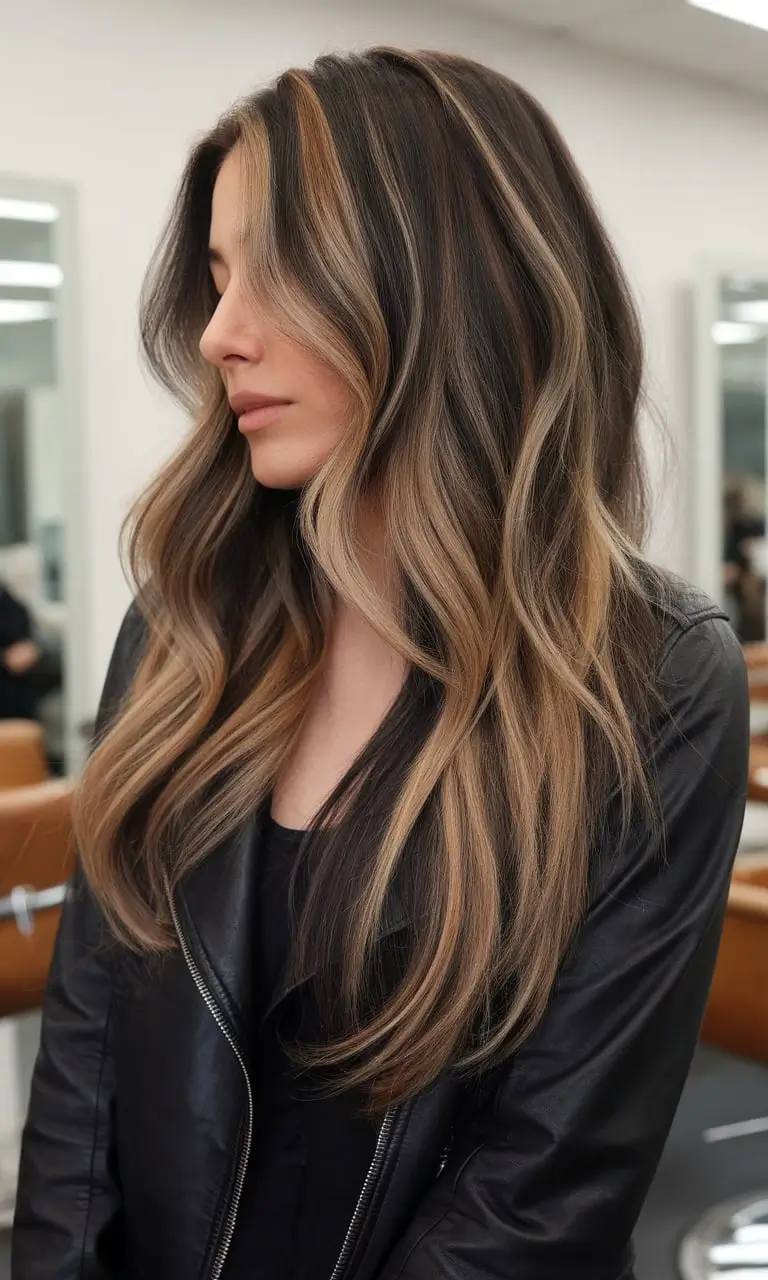
This technique requires a skilled hand, since the ribbons need to be thin and precisely placed to achieve the delicate, woven effect that defines this look. Colorists typically use fine foils or a very controlled balayage technique, painting narrow sections throughout the mid lengths and ends while leaving the roots in their natural dark state for a soft, grown out effect. The result is a brunette base that feels alive with subtle movement and warmth, rather than flat or one dimensional, without requiring the dramatic contrast of chunkier highlighting techniques.
Since the caramel ribbons are relatively fine and subtle, this color tends to grow out gracefully with minimal visible regrowth lines, allowing many people to stretch their root touch ups to every ten to twelve weeks. Regular deep conditioning treatments help maintain shine and softness, since the lightened ribbon sections are more porous than the untouched brunette base. This look pairs wonderfully with loose curls or beachy waves, since the texture helps the caramel ribbons catch light and create the appearance of even more dimension and movement throughout the hair.
Soft Siren Waves of Fall with Deep Brunette Base
This look pairs a deep, rich brunette base with soft, romantic waves designed to evoke the alluring quality suggested by the name. Rather than focusing primarily on color technique, this style emphasizes the combination of a solid, glossy brunette shade with a specific styling approach that creates loose, flowing waves reminiscent of old Hollywood glamour. The brunette base itself tends to sit in a deep, warm chocolate tone without significant highlighting or balayage, allowing the focus to remain on the movement and shine of the waves rather than color dimension.
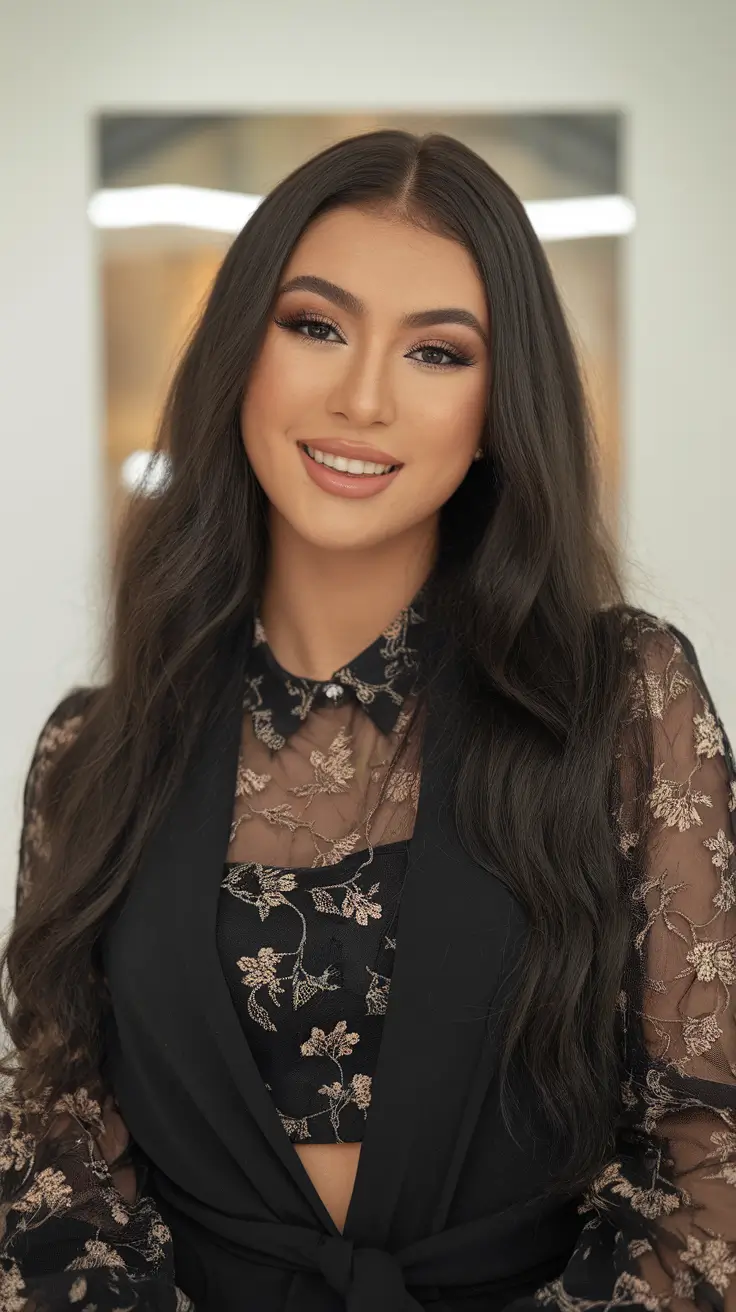
Achieving the signature siren waves typically involves a curling iron or wand used to create large, loose curls that are then brushed out gently to soften the curl pattern into flowing waves rather than tight ringlets. This technique works particularly well with solid, deep brunette color since the uninterrupted color allows the light to travel smoothly along each wave, creating a glossy, cohesive look rather than the more textured, dimensional effect seen with highlighted styles. A shine spray or hair oil applied after styling enhances this glossy quality even further.
Because this style relies on a solid brunette color rather than lightened sections, maintenance from a color perspective is relatively straightforward, with root touch ups needed every four to six weeks depending on natural hair color and desired richness. The real maintenance investment here comes from styling, since achieving those soft, cascading waves does require some time and practice with a curling tool. This look is particularly popular for fall events, date nights, and special occasions, where the combination of rich brunette color and romantic waves creates a polished, glamorous finish.
Mocha Fade Cool Blonde Ends
Mocha fade combines a warm, rich mocha brown base at the roots with a gradual fade into cool toned blonde ends, creating an interesting contrast between warm and cool tones within the same head of hair. The mocha base sits close to the scalp, offering a warm, coffee like brown that feels grounded and natural, while the color gradually lightens and cools as it moves down toward the ends. This transition from warm to cool creates a unique visual effect, since most gradient colors tend to stay within either the warm or cool family throughout the entire look.
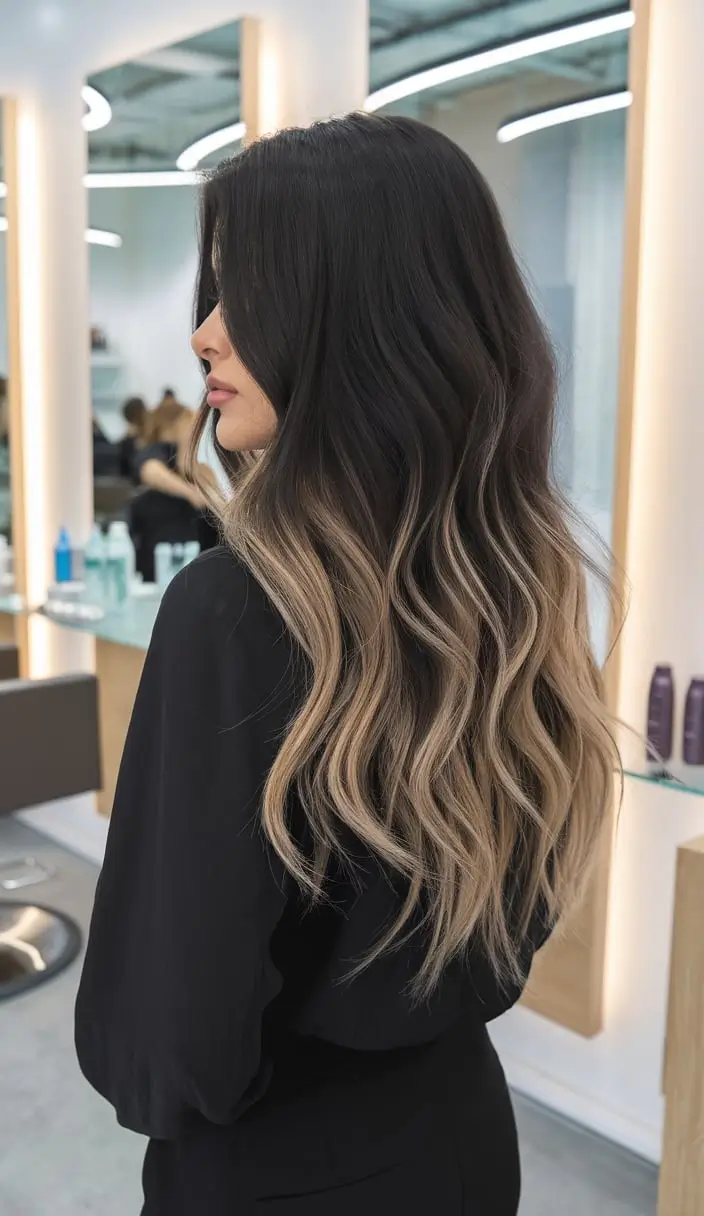
Achieving this specific combination requires careful planning from the colorist, since transitioning from a warm base to cool ends means neutralizing warmth partway through the color process while still maintaining a smooth, seamless blend rather than an abrupt shift. Balayage or foilyage techniques are typically used to control exactly where the color transitions from mocha to cool blonde, ensuring the fade looks intentional and gradual rather than jarring or poorly blended. The cool blonde ends are usually toned with a blue or violet based toner to counteract any brassiness from the lightening process.
This look requires attentive maintenance given the cool toned ends, which need regular purple shampoo treatments to prevent warmth from creeping back in over time. Root touch ups for the mocha base are typically needed every eight to ten weeks, while toning refreshes for the cool blonde ends may be needed slightly more frequently. This color works beautifully on medium to long hair lengths, where there is enough length to clearly showcase the transition from warm mocha roots into the cool blonde ends, particularly when styled with loose waves or curls.
Vanilla Ribbons Brushed Layers
Vanilla ribbons brushed through layered hair combines soft, creamy blonde streaks with a layered cutting technique designed to maximize texture and movement throughout the style. The vanilla tone itself sits between a pale gold and soft cream, warmer than platinum but still light enough to create noticeable contrast against a brunette base. Unlike more dramatic highlighting techniques, these ribbons are meant to look soft and brushed, almost as if they naturally occurred from years of gentle sun exposure rather than a deliberate salon treatment.
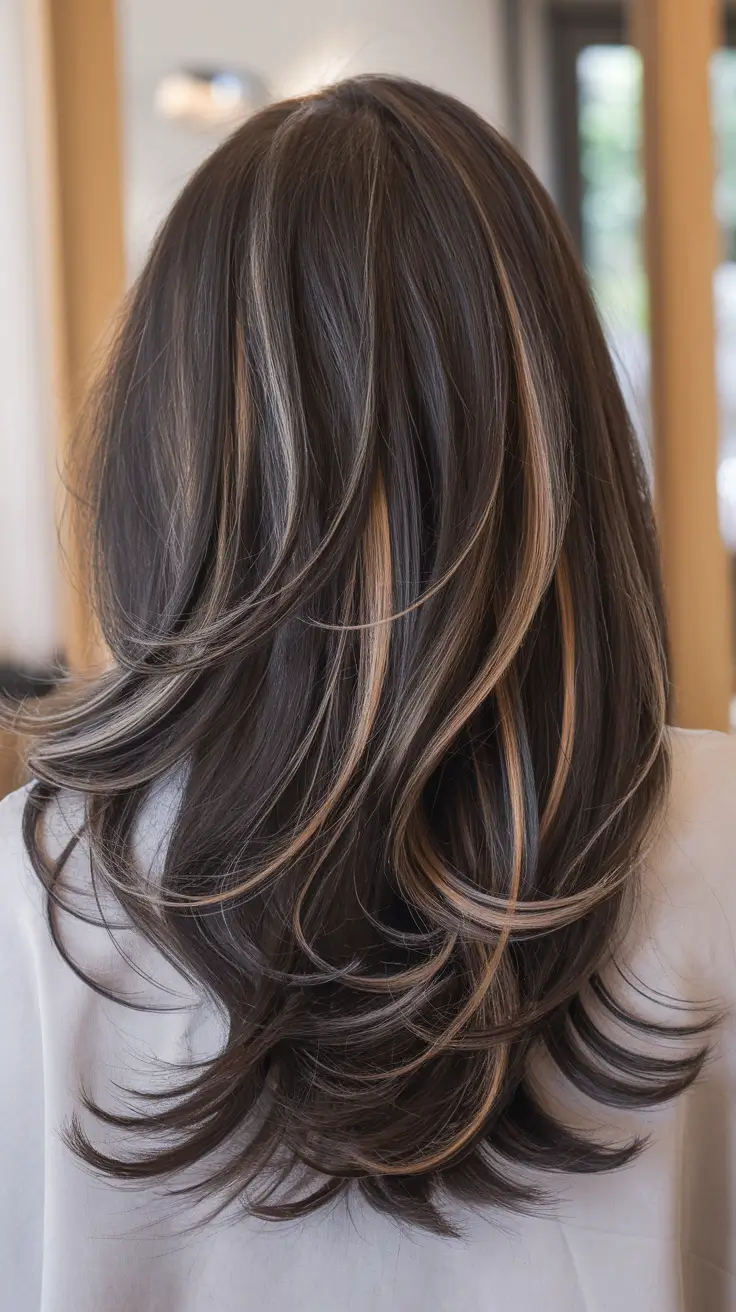
The layered cut plays an important role in how this color reads, since the varying lengths throughout the hair help distribute the vanilla ribbons at different points, creating the appearance of movement and depth even when the hair is still. Colorists typically use a soft balayage technique, painting the vanilla tone in loose, brushed strokes rather than precise, defined sections, which contributes to the natural, effortless quality that defines this look. This technique pairs particularly well with face framing layers, since the lighter tone near the face adds brightness and softness to the overall style.
Maintenance for this color tends to be moderate, with the soft, blended nature of the balayage allowing for longer stretches between root touch ups, typically every ten to twelve weeks. Regular toning treatments help keep the vanilla ribbons looking creamy and soft rather than shifting toward a brassier yellow tone over time. This style looks especially beautiful when hair is styled with soft, brushed out waves or curls, since the movement helps showcase both the layered cut and the vanilla ribbons working together to create a cohesive, textured finish throughout the hair.
Cool-Depth Chocolate and Loose Glam Waves
This look pairs a deep, cool toned chocolate brown base with loose, glamorous waves designed to add movement and sophistication to the overall style. The chocolate color itself avoids warmth entirely, leaning into cooler undertones that give the hair a rich, almost velvety appearance rather than the more common warm brown seen in traditional chocolate shades. This cool depth is achieved through careful color formulation, often incorporating ash or cool based pigments to neutralize any natural warmth present in the hair before the final chocolate tone is applied.
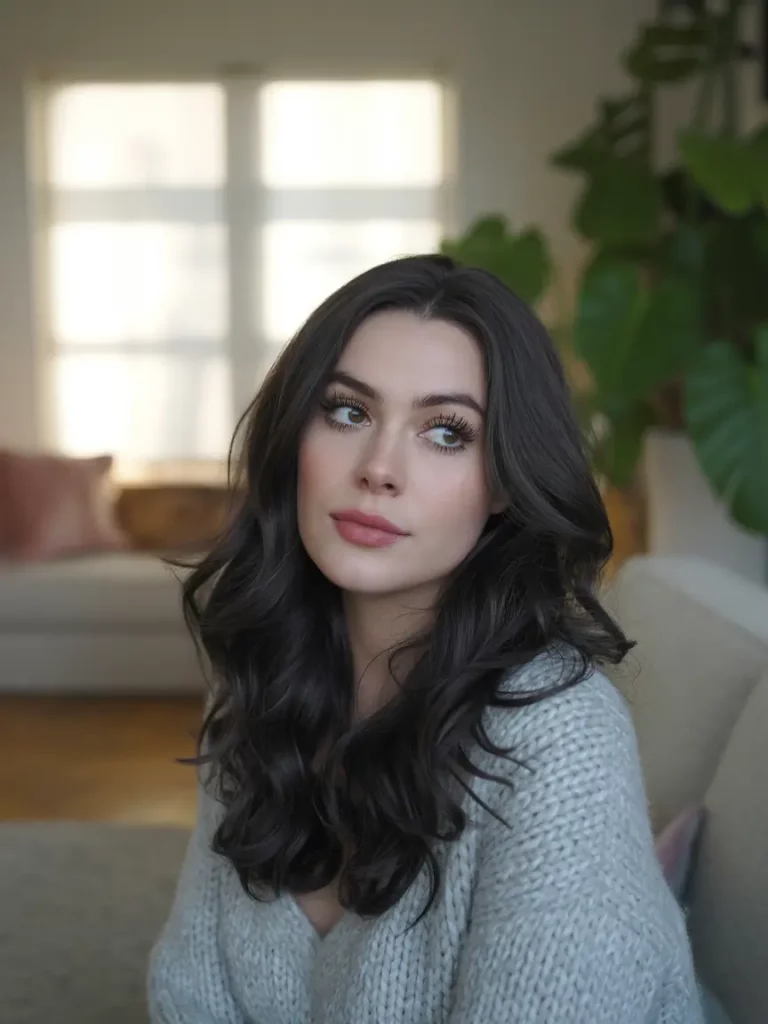
The loose glam waves that accompany this color are typically achieved using a large barrel curling iron or wand, creating soft, cascading curls that are then brushed out into loose waves rather than left as defined ringlets. This styling approach works particularly well with the cool chocolate base, since the uninterrupted, solid color allows the waves to appear smooth and glossy as they catch the light, creating a polished, red carpet worthy finish. The combination of rich color and glamorous styling makes this a popular choice for fall events and special occasions.
Since this color relies on a solid, all over application rather than highlighted or balayage sections, maintenance is relatively straightforward from a color perspective, with root touch ups typically needed every four to six weeks. The cool tones do require occasional toning treatments to prevent any warmth from developing between color services, particularly for those with naturally warm undertones in their hair. This look photographs beautifully in both natural and studio lighting, making it a frequently saved pin for anyone planning a special occasion hairstyle during the fall season.
Cinnamon Swirl Brunette Dimensional
Cinnamon swirl brunette creates a warm, spiced effect by swirling multiple shades of cinnamon, caramel, and deep brown throughout the hair in a way that mimics the visual pattern of a cinnamon swirl pastry. This dimensional technique goes beyond a simple two tone gradient, instead incorporating three or more complementary warm shades that are woven together throughout the hair for a rich, multidimensional finish. The overall effect is warm and inviting, with the varying tones creating depth and visual interest that a single flat color simply cannot achieve on its own.
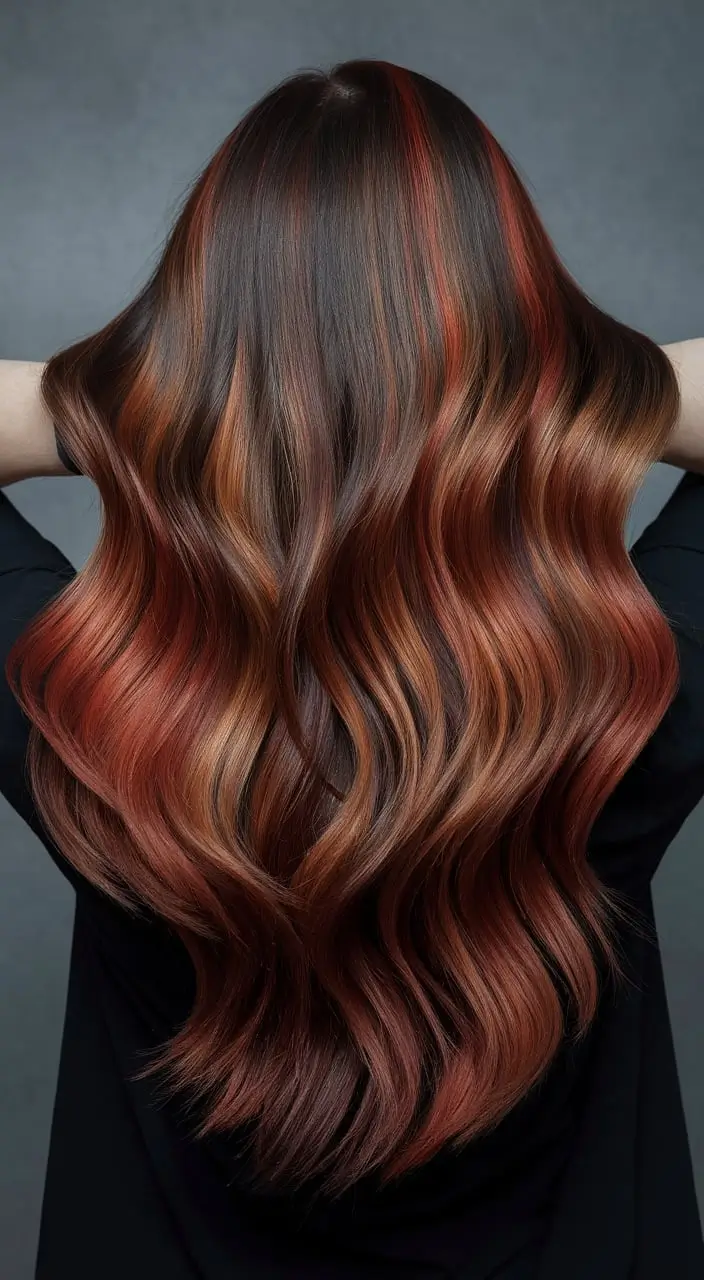
Achieving this look requires a skilled colorist capable of working with multiple shades simultaneously, carefully placing each tone to create a cohesive swirl effect rather than a patchy or uneven result. The technique typically involves a combination of foiling and hand painting, with darker cinnamon and brown tones placed to create depth and shadow, while lighter caramel tones are woven throughout to catch light and add brightness. This layered approach to color placement is what gives the style its signature swirled, dimensional appearance that sets it apart from simpler balayage techniques.
Maintenance for cinnamon swirl brunette falls into a moderate range, since the multiple tones involved mean slightly more attention is needed to keep each shade looking fresh and vibrant. Root touch ups are typically needed every eight to ten weeks, with occasional gloss treatments recommended to refresh the warmth and shine of all the swirled tones together. This look works beautifully on longer hair lengths, where there is enough space to showcase all the different tones clearly, particularly when styled with loose curls or waves that help each shade catch and reflect light throughout the day.
Mellow Spice Candy with Spicy Tails
This playful yet sophisticated look combines mellow, warm spice tones throughout the majority of the hair with more concentrated, vibrant color at the ends, referred to as the spicy tails. The mellow spice base sits in a warm, muted brown family, incorporating soft hints of cinnamon and nutmeg without becoming overly saturated or bold, creating a wearable everyday foundation for the style. This softer base allows the more concentrated color at the ends to stand out as a deliberate, eye catching accent rather than blending seamlessly into an all over vibrant shade.
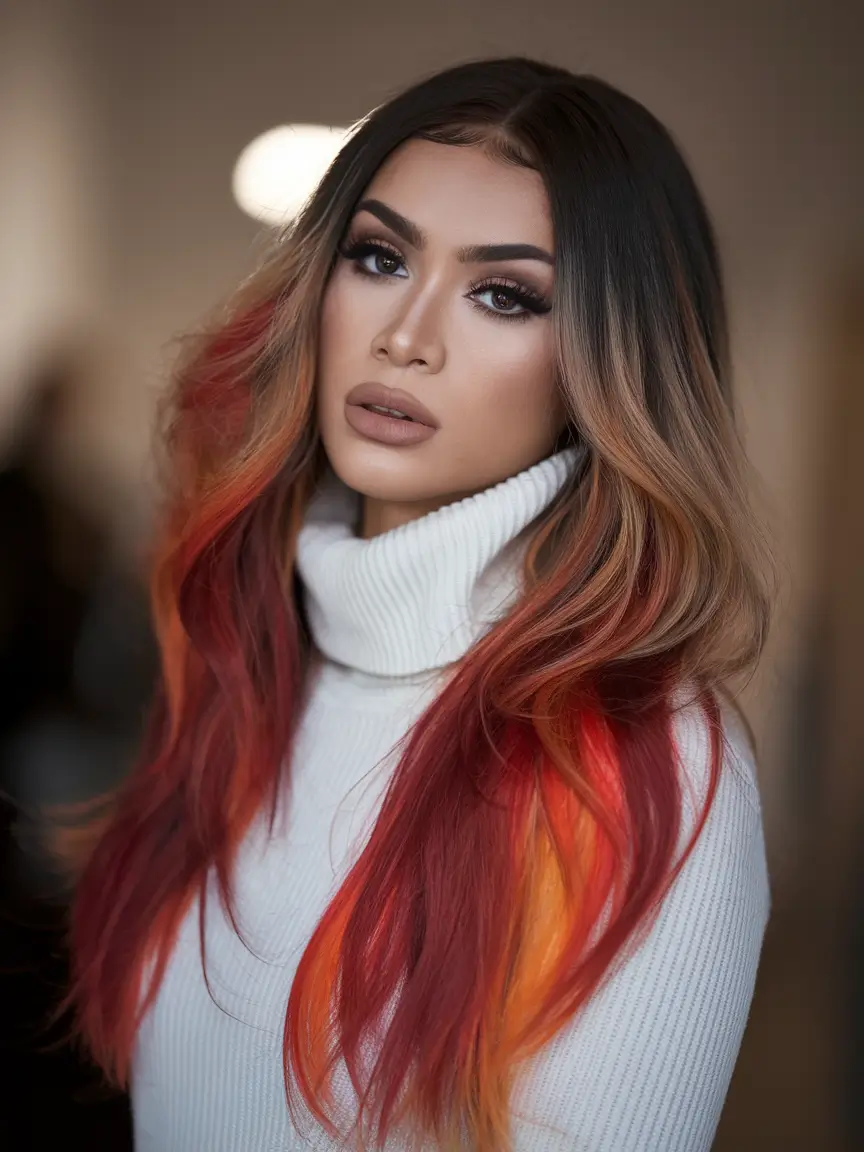
The spicy tails themselves typically involve a more saturated, warm toned color applied specifically to the last few inches of hair, creating a noticeable pop of richer pigment right at the ends. This technique draws the eye downward and adds a playful, unexpected element to an otherwise classic brunette look, making it particularly popular among people who want a subtle way to experiment with bolder color without committing to it throughout their entire head of hair. Colorists achieve this effect through careful sectioning, ensuring the transition from mellow spice to spicy tails feels intentional rather than accidental or patchy.
Maintenance for this style varies depending on how vibrant the spicy tail color is, with more saturated shades requiring more frequent refreshing to maintain their intensity, typically every four to six weeks. The mellow spice base requires less frequent attention, with root touch ups generally needed every eight to ten weeks. This look works particularly well on hair with natural texture or waves, since the movement helps showcase the spicy tail color as an accent that appears and disappears throughout the hair as it moves, rather than remaining static and flat.
Final Thoughts on This Fall’s Brunette Trends
Fall 2026 proves that brunette hair is anything but boring, with twenty distinct takes on brown ranging from icy silver melts to warm cinnamon swirls and everything in between. What ties all of these looks together is a shift away from flat, single dimensional color toward richer, more layered approaches that play with contrast, temperature, and placement. Whether you are drawn to the moody drama of graphite tones or the sweet warmth of caramel ribbons, there is a version of brunette here that can be tailored to your skin undertone, hair health, and how much upkeep you are realistically willing to commit to.
Before booking any of these looks, it is worth having an honest conversation with your colorist about your hair’s current condition, especially for the shades that involve heavier lightening like the platinum panels or the silver blonde melt. Bringing a clear picture and explaining exactly which elements you love, whether it is the placement, the tone, or the overall vibe, will help your stylist translate the inspiration into something that works for your unique hair type and lifestyle. Pin your favorites now while the season is still ahead of you, since many of these techniques take time to book and even longer to achieve safely if significant color correction is involved. Fall is the perfect moment to embrace a little change, and brunette hair has never offered so many beautiful ways to do it.


