
Blonde Hair Color Ideas Winter 2026–2027: Chic Trends for Every Eye Color
Winter is the season when blonde hair color truly gets to shine, and 2026 to 2027 is shaping up to be one of the most exciting years yet for lightened locks. Stylists are moving away from flat, one dimensional blonde and leaning into soft, layered tones that catch the light in a completely different way once the temperature drops. Whether you have warm honey undertones in your skin or cool, icy features that beg for a silver finish, there is a shade on this list that will make your eyes pop the moment you walk into a room.
What makes this season so fun is how personal blonde has become. It is no longer about picking a single trending color and hoping it works for everyone. Instead, colorists are pairing specific blonde formulas with eye color, skin undertone, and even face shape so the result feels custom rather than copied from a magazine. Below you will find a curated mix of soft, dimensional, and boldly icy blonde ideas, each one broken down so you know exactly why it works and who it flatters most this winter.
Strawberry Beige Glow
Strawberry beige is one of those blends that photographs beautifully in winter light because it sits perfectly between warm and cool without leaning too hard in either direction. The base is a soft beige blonde, but woven through it are delicate strawberry undertones that show up as a subtle rose gold flicker whenever the sun hits your hair. It reads as blonde from a distance, yet up close there is a warmth and softness that pure ash or platinum shades simply cannot deliver. This makes it a favorite among people who want something trendy but still wearable for everyday life, from office meetings to weekend brunches.
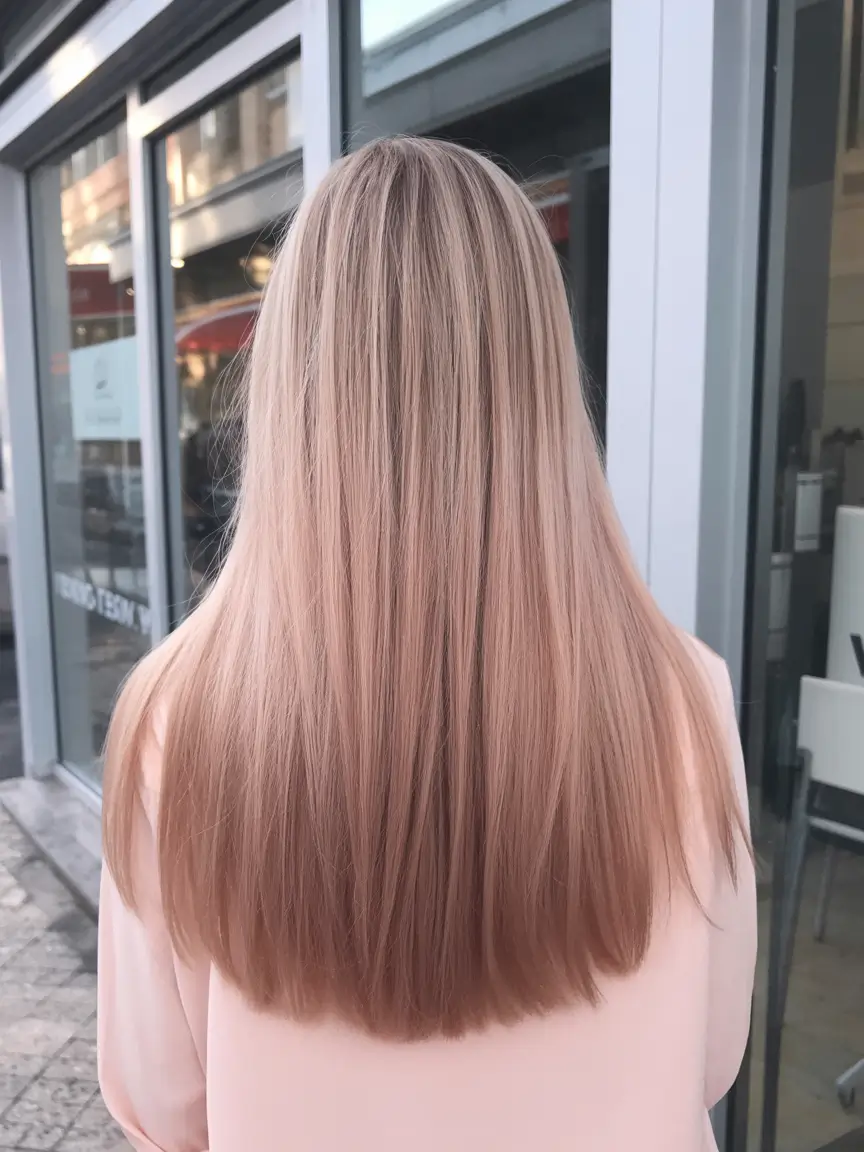
This shade is especially flattering on people with green or hazel eyes, since the pink undertone tends to make flecks of gold and green in the iris look brighter and more dimensional. Fair to medium skin tones with warm or neutral undertones handle strawberry beige the most naturally, though a skilled colorist can adjust the ratio of pink to beige to make it work on deeper skin tones as well. It also tends to suit rounder and heart shaped faces nicely, since the warmth softens features rather than sharpening them the way a stark platinum shade might.
Maintenance wise, strawberry beige is fairly forgiving because the regrowth blends rather than creating an obvious harsh line. A gloss treatment every six to eight weeks keeps the pink tones from fading into a flat yellow, and a color safe purple or pink toning shampoo used once a week helps extend the glow between salon visits. Many people pair this look with soft waves or beachy layers, since the movement in the hair helps the color shift and shimmer in a way that a straight, sleek style does not show off nearly as well.
Smoky Rooted Balayage
Smoky rooted balayage has become one of the most requested winter looks because it gives the low maintenance appeal of a natural root while still delivering a full head of dimensional blonde. The technique involves deepening the natural root color into a soft, smoky brown or ash tone, then hand painting lighter, cooler blonde pieces throughout the mid lengths and ends. The result looks like the sun naturally lightened your hair over time, except the tones are far more controlled, cool, and intentional than anything achieved by actual sunlight.
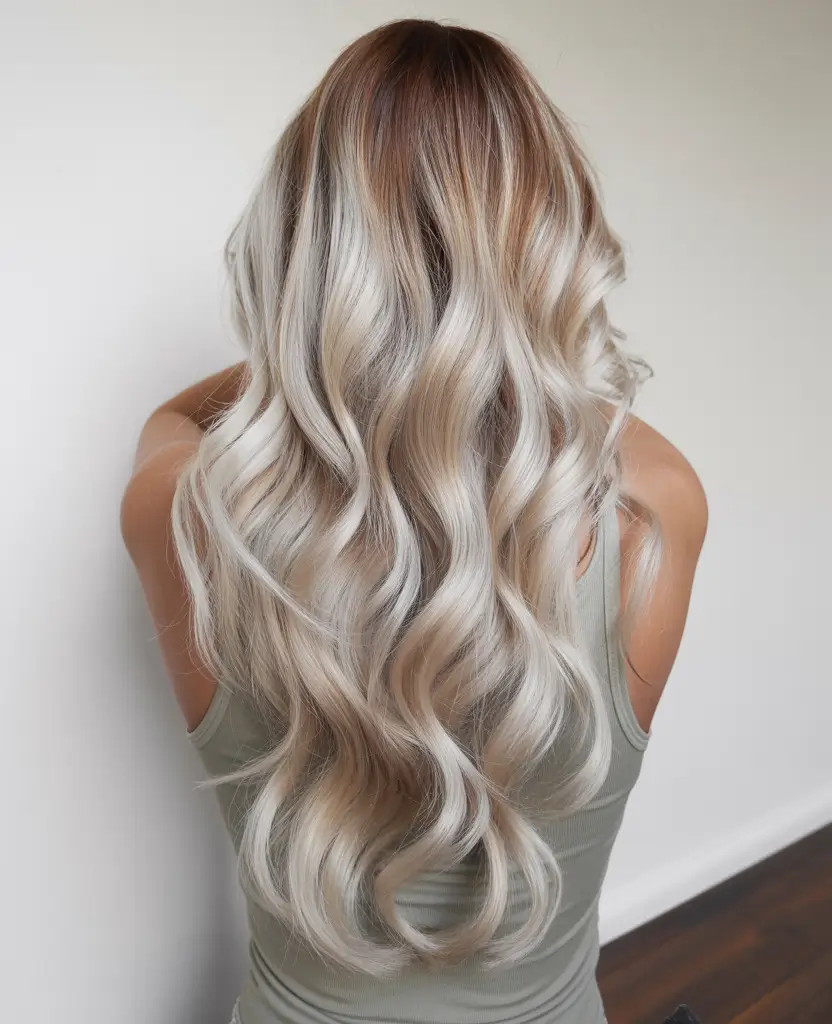
This style tends to look stunning on people with blue or gray eyes, since the cool undertones in the balayage pull attention toward the icy quality of the eyes rather than competing with them. Skin tones with pink or neutral undertones tend to pair with smoky rooted balayage more seamlessly than very warm, golden skin tones, though a colorist can always soften the ash slightly for a more universal result. It also happens to be one of the more slimming color placements for round or square faces, since the darker root frames the crown while the lighter pieces fall strategically around the jaw.
Because the root is left intentionally deeper, this is one of the lowest maintenance blonde options on this list, with many people stretching salon visits to ten or twelve weeks comfortably. A blue or purple toning conditioner used every other wash keeps the lightened pieces from turning brassy, especially in areas with hard water. Stylists often recommend finishing the look with loose, textured curls or a messy bun, since both styles let the smoky root and lighter ends peek through in a way that feels effortless rather than overly styled.
Classic Beige Blonde
Classic beige blonde remains one of the most timeless choices on this list, and it earns its spot in the 2026 to 2027 winter lineup because it never truly goes out of style, it only gets refined. The formula blends a warm base with just enough cool ash to neutralize any unwanted yellow, landing on a soft, sandy shade that reads as effortlessly natural rather than obviously dyed. It is the kind of blonde that looks equally at home under fluorescent office lighting and soft candlelight, which is exactly why so many people request it as their go to, no fuss color.
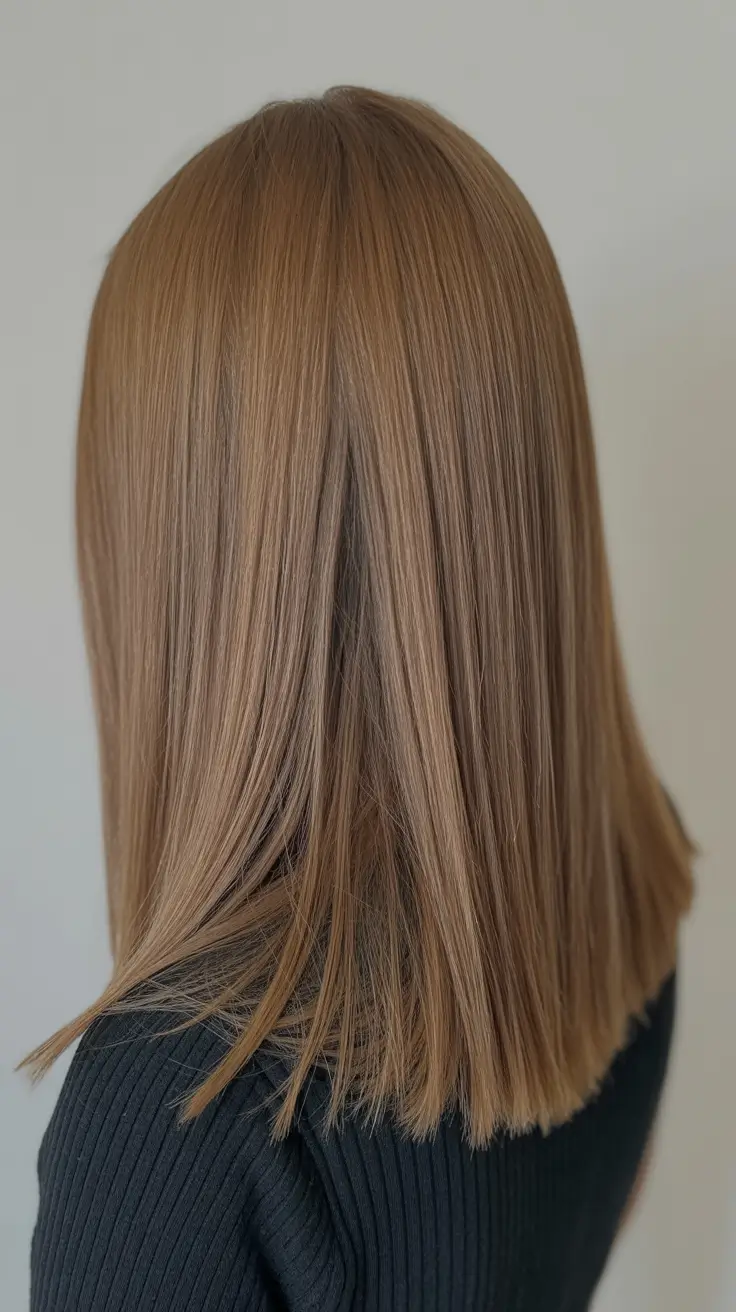
Because beige blonde sits in a neutral zone, it flatters an unusually wide range of eye colors, though it particularly enhances brown and amber eyes by warming up the overall complexion without overwhelming it. Skin tones with neutral or slightly warm undertones tend to see the most seamless blend, since the beige mutes any redness while still keeping the hair looking healthy and lived in. Oval and oblong face shapes benefit the most from this shade, since the softness of beige blonde adds gentle warmth around the face without adding visual weight the way a heavier golden tone might.
One of the biggest advantages of classic beige blonde is how forgiving it is when it comes to regrowth and upkeep. Most people comfortably stretch appointments to nine or ten weeks, especially if the colorist blends the root with a soft shadow technique. A weekly hydrating mask paired with an occasional purple shampoo keeps the tone from drifting too warm or too brassy over time. This shade also styles beautifully in almost any texture, from sleek blowouts to loose curls, which is part of why it continues to be requested season after season without ever feeling dated.
Golden Honey Shine
Golden honey shine brings warmth and richness back into the blonde conversation, making it a standout choice for anyone who feels that icy or ashy tones wash them out. This shade layers deep amber and honey undertones through a lightened base, creating a glow that looks almost lit from within, especially under winter’s softer, lower light. Unlike flat golden blonde from years past, this version is built with dimension in mind, so no two strands catch the light in exactly the same way, giving the whole look a rich, multidimensional finish.
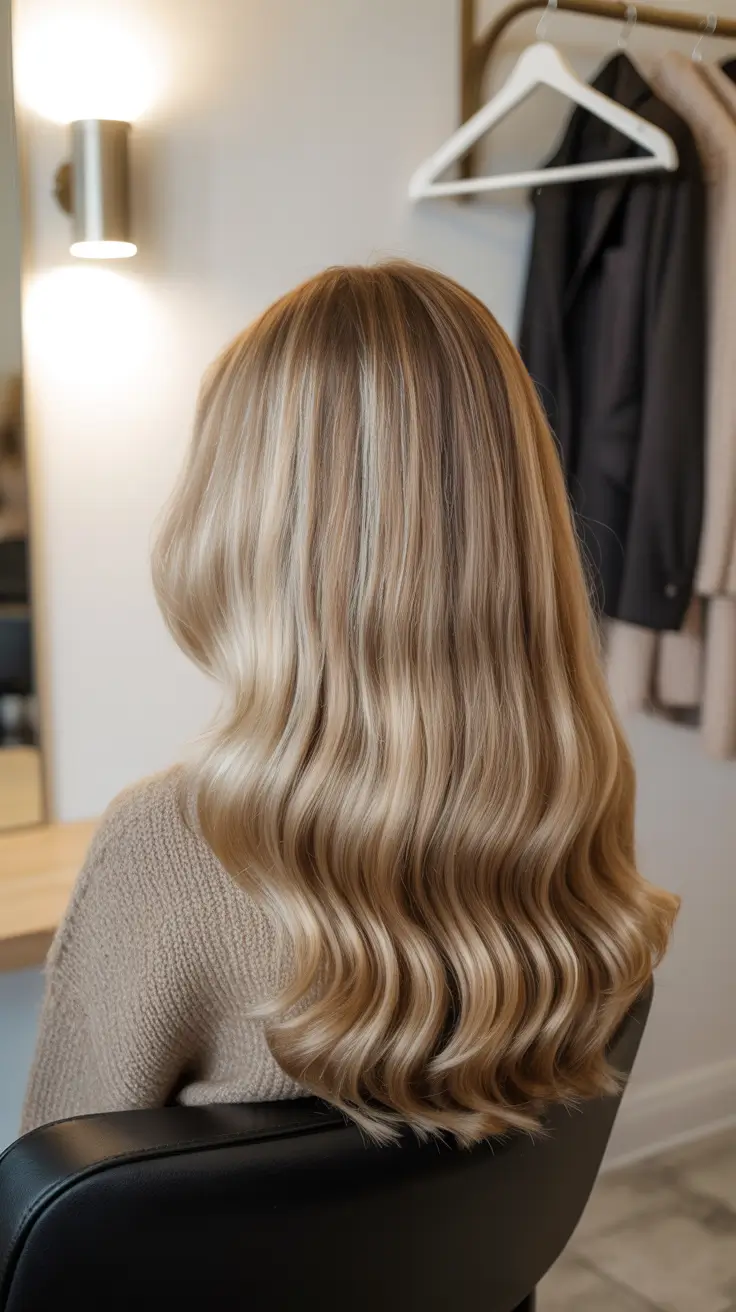
This is a particularly gorgeous option for people with brown, hazel, or amber eyes, since the warm honey tones bring out golden flecks in the iris that cooler blonde shades tend to mute. Medium to deep skin tones with warm or olive undertones glow especially beautifully with this color, though colorists can soften the intensity for fairer skin by pulling back slightly on the deeper honey pieces. Square and heart shaped faces benefit from the way the warmth softens strong jawlines and cheekbones, adding a gentle glow rather than harsh contrast.
Golden honey shine does require a bit more attention than cooler blondes, mainly because warm tones can fade unevenly if exposed to too much heat styling or sun. A weekly deep conditioning treatment helps preserve shine and prevent the ends from turning dull or straw like over time. Most people schedule touch ups every eight weeks to keep the honey tones vibrant and avoid the color fading into a flatter, more yellow base. This shade looks especially stunning styled with soft curls or waves, since the movement allows the golden dimension to catch light from multiple angles throughout the day.
Balayage Caramel Melt
Balayage caramel melt takes the classic hand painted technique and pushes it toward a richer, more indulgent direction, blending deep caramel tones into a lighter blonde base for a look that feels cozy and luxurious, perfectly suited for the winter months. The technique starts with a warm brunette or caramel root that gradually melts into golden and honey blonde pieces toward the ends, creating a gradient so smooth it looks like the color was painted by hand rather than processed in sections. It is a favorite for anyone who wants the dimension of balayage without committing to an all over blonde transformation.
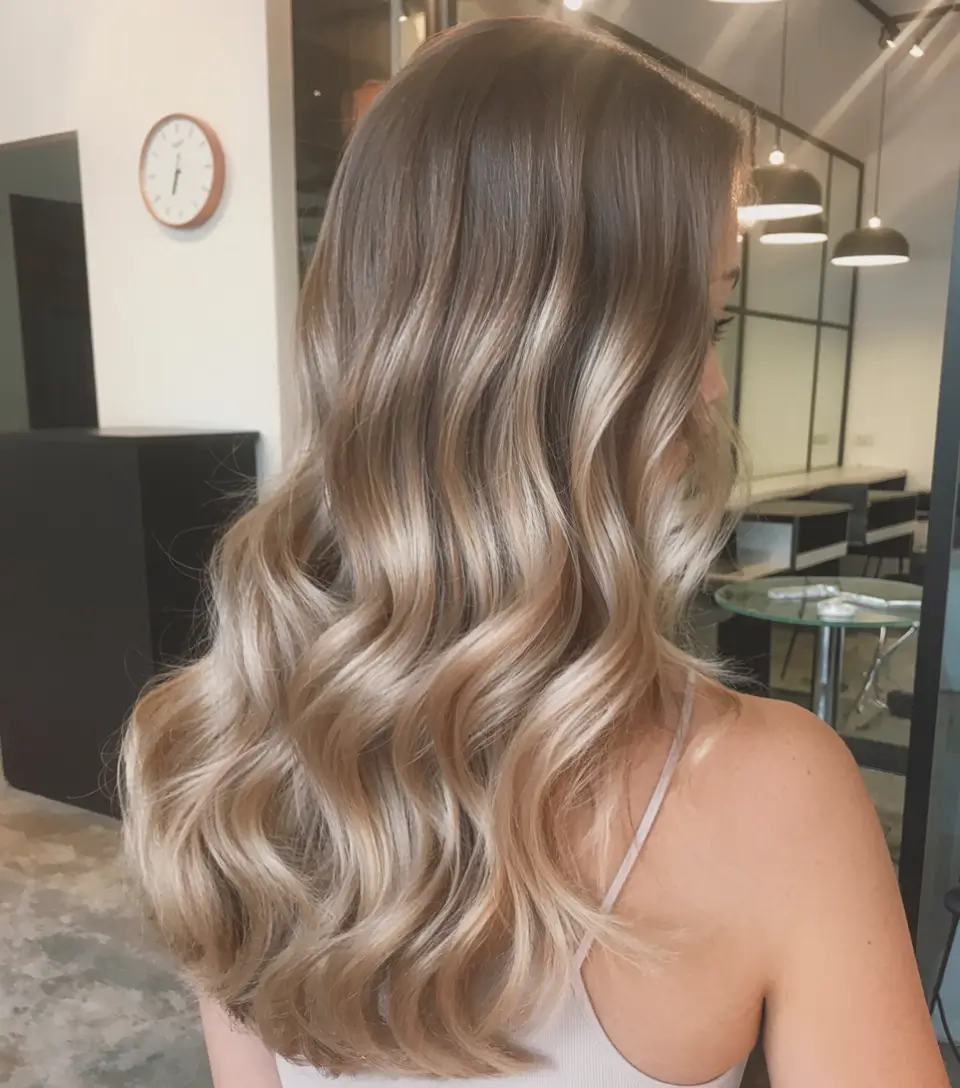
Eye colors with warm undertones, especially brown, amber, and hazel, tend to look particularly striking against caramel melt, since the rich root color creates a beautiful contrast that makes lighter eyes appear even brighter by comparison. This shade is especially flattering on medium to deep skin tones, where the caramel base blends naturally into the complexion rather than creating a jarring line at the hairline. Long, oval, and heart shaped faces all wear this look beautifully, since the deeper root adds subtle framing while the lighter ends keep the overall style feeling light and airy.
Because the root is left deliberately deeper, balayage caramel melt is one of the more low maintenance options for anyone who dreads frequent salon visits, with many people going twelve weeks or longer between appointments. A nourishing hair oil used a few times a week helps keep the caramel tones glossy rather than dull, especially during dry winter months when hair tends to lose moisture faster. This color looks incredible with loose, undone waves, since the melt effect between the root and ends becomes far more visible and dimensional once the hair has natural texture and movement.
Sleek Ash Blonde Bob
Sleek ash blonde bob combines two of the biggest winter trends into one polished package, pairing a cool toned, smoky blonde with the crisp, structured silhouette of a bob haircut. The color itself is formulated to strip out warmth almost entirely, landing on a soft gray beige that reads as effortlessly chic rather than harsh or metallic. When paired with a sleek, blunt bob, the color takes on an almost editorial quality, since the smooth, glassy finish of the cut allows every cool undertone in the color to show through clearly without any texture breaking up the shade.
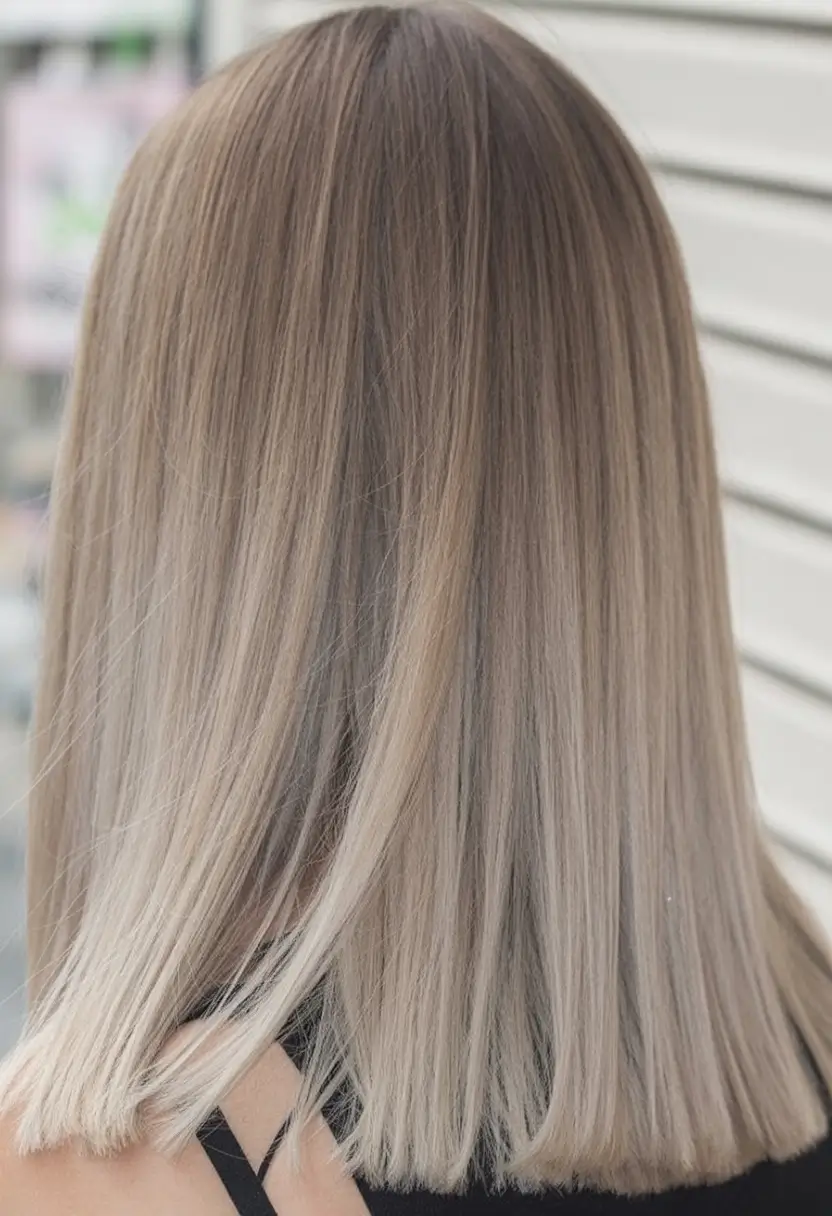
This look is a natural match for people with blue, gray, or light green eyes, since the ashy base amplifies cool tones throughout the whole complexion, making the eyes appear even more striking by contrast. Fair to medium skin tones with pink or neutral undertones tend to carry this shade the most seamlessly, though a colorist can soften the ash slightly with a beige base to keep the result from feeling too stark. This color and cut combination is especially flattering on oval and heart shaped faces, since the sharp lines of the bob highlight the jaw while the ash tone keeps the overall look cool and refined.
Ash tones are notorious for pulling brassy fastest, so maintenance is a bit more involved than with warmer blonde shades. A purple shampoo used twice a week is essential to keep the gray beige tone from shifting toward yellow, especially since hard water and heat styling both accelerate warmth. Salon visits every six to eight weeks help maintain both the sharpness of the bob and the coolness of the color, since regrowth on a blunt cut tends to be more noticeable than on longer, more textured styles. Many people finish this look with a sleek blowout or a light flat iron pass, since the smoothness of the style is really what makes the ash tone shine.
Frosted Silver Waves
Frosted silver waves brings a soft, romantic edge to one of the coolest blonde tones available, blending a nearly platinum base with gentle, undone waves to create a look that feels equal parts icy and dreamy. The frosting technique involves weaving in ultra light, almost white pieces throughout a silvery blonde base, mimicking the way frost naturally catches light on a winter morning. Unlike a flat platinum color, the frosted effect adds subtle variation, so the hair never looks like one solid block of color, instead shifting between silver, pearl, and near white tones depending on the light.
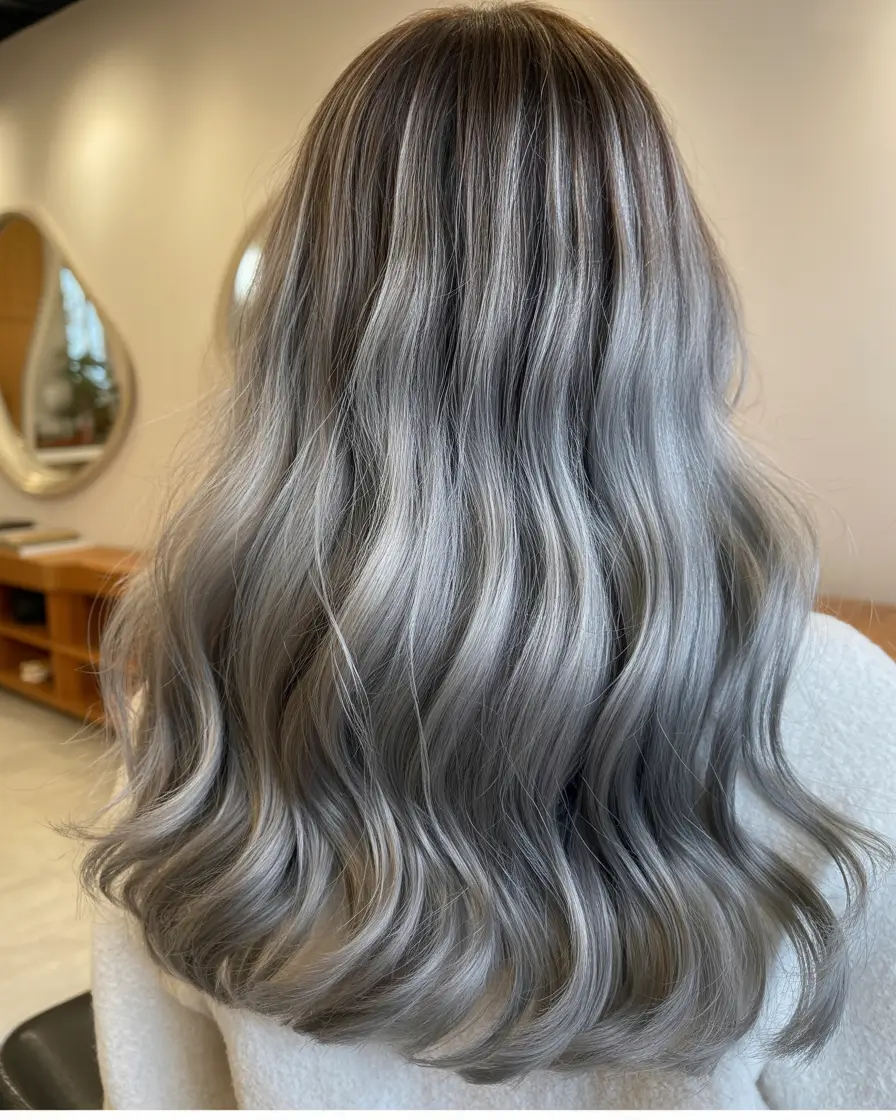
This shade is especially breathtaking on people with blue, gray, or light hazel eyes, since the icy undertones in the hair draw attention upward and make lighter eye colors appear almost luminous by comparison. Very fair to light medium skin tones with cool or neutral undertones tend to wear this color most naturally, since deeper or warmer complexions can sometimes clash with such an intensely cool shade. Softer face shapes like round or oval tend to benefit the most from the waves in this style, since the loose movement adds gentle dimension without competing with the boldness of the color itself.
Frosted silver waves requires consistent upkeep, since a base this light needs regular toning to prevent any warmth from creeping in and dulling the icy effect. A purple or silver toning treatment every one to two weeks is typically necessary to maintain the frost, along with a bond building treatment to keep hair that has been lightened this much feeling strong rather than brittle. Most people book salon visits every six weeks to refresh both the tone and the root, and a lightweight curling wand is usually all that is needed to recreate the soft, undone waves that let this color truly shine.
Lavender-Toned Blonde
Lavender toned blonde is one of the more playful, statement making shades on this list, weaving delicate hints of soft purple through a cool blonde base for a color that feels fresh, modern, and distinctly winter appropriate. Rather than an overt, saturated purple, this technique keeps the lavender subtle, almost like a shadow of color that shifts and shimmers depending on the lighting, sometimes reading as icy blonde and other times revealing a clear violet undertone. It has become especially popular for anyone who wants to experiment with fashion color without fully committing to an all over pastel shade.
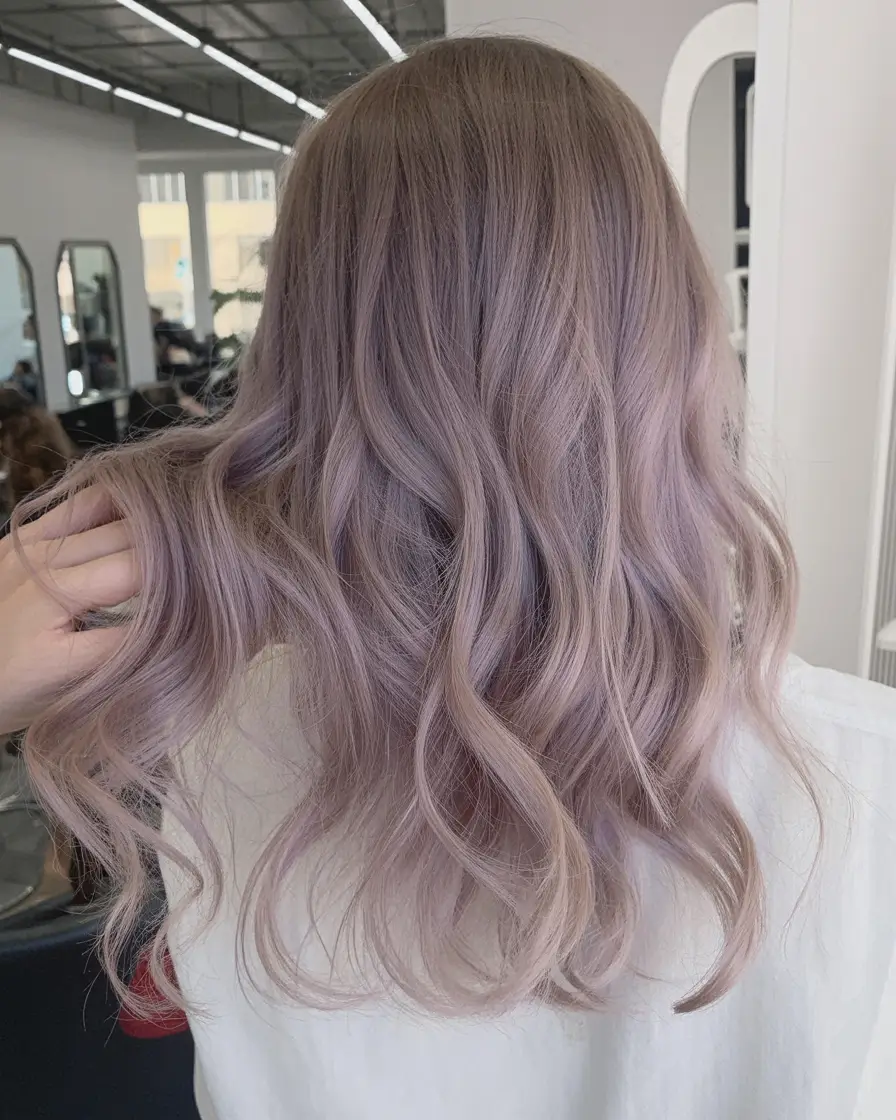
This tone pairs beautifully with blue, gray, and green eyes, since the cool violet undertones tend to intensify lighter eye colors in a way that few other blonde shades can replicate. Fair to light medium skin tones with cool or neutral undertones carry lavender toned blonde the most naturally, since the color can occasionally clash with very warm or golden undertones in the skin. This shade tends to look especially fun and modern on shorter styles like lobs or shoulder length cuts, where the lavender shimmer is easier to see throughout the whole head rather than getting lost in longer lengths.
Because lavender tones fade faster than most other blonde shades, maintenance is one of the bigger commitments with this color. A purple or lavender toning conditioner used two to three times a week helps refresh the tint between salon visits, and most people schedule a gloss refresh every four to five weeks to keep the violet undertone from fading into a plain, flat blonde. This look pairs beautifully with soft, glossy waves or a sleek straight finish, both of which help showcase the subtle shift between blonde and lavender depending on how the light hits the hair throughout the day.
Buttery Blonde Flow
Buttery blonde flow brings a soft, creamy warmth to the blonde spectrum, landing somewhere between golden and beige for a shade that feels rich without tipping into anything overly bold or brassy. The name comes from the smooth, almost melted quality of the color, since the tones are blended so seamlessly that there is no harsh transition anywhere throughout the hair, just a continuous, buttery glow from root to end. It has quickly become a favorite for people who want warmth in their blonde but still crave something soft enough to wear comfortably every single day.
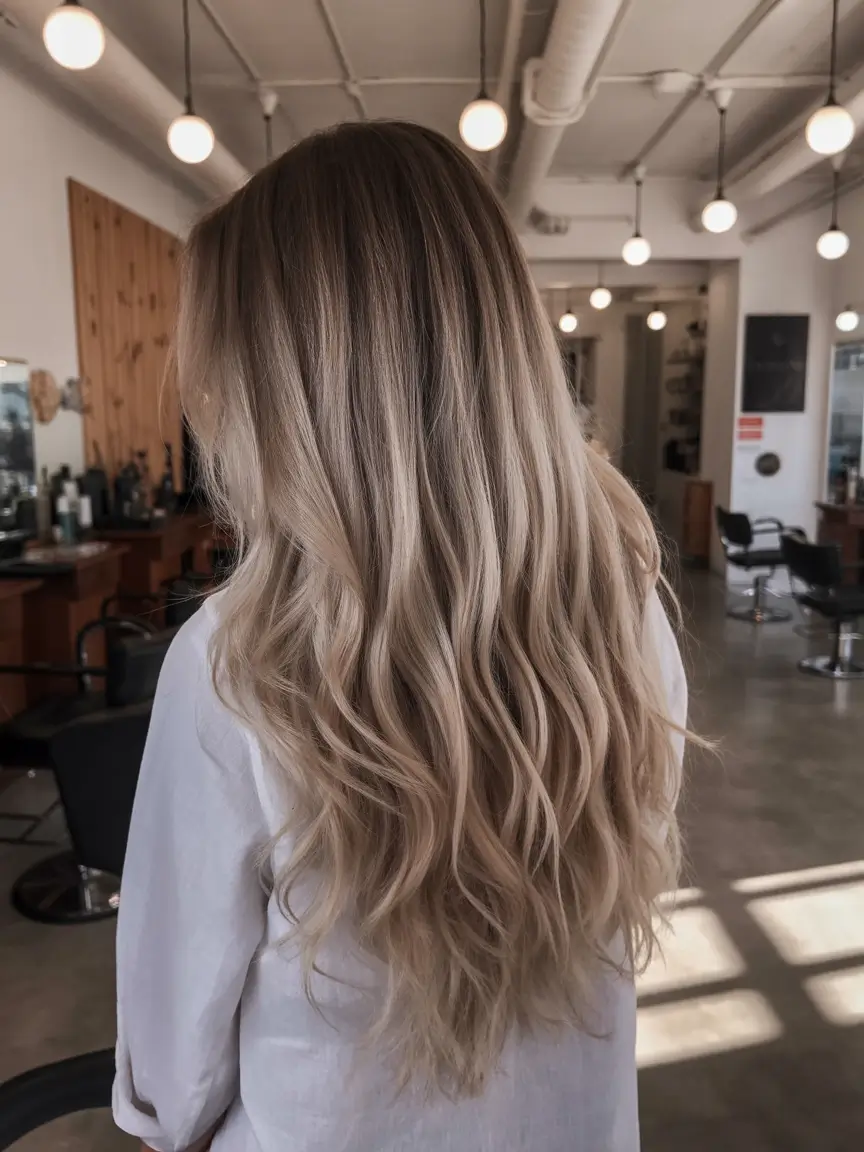
This shade flatters brown and hazel eyes particularly well, since the creamy warmth in the hair enhances golden undertones in the iris and gives the whole complexion a softer, glowing quality. Fair to medium skin tones with warm or neutral undertones tend to wear buttery blonde most naturally, though the shade can be adjusted slightly cooler for those with pinker undertones who still want the softness without added warmth. Longer layered cuts and soft waves work especially well with this color, since the flow of the style mirrors the smooth, melted quality of the color itself.
Buttery blonde flow is relatively easy to maintain compared to cooler or more dramatic shades, mainly because the warmth is intentional rather than something that needs to be fought off with constant toning. A hydrating mask used weekly keeps the hair looking glossy and prevents the buttery tones from turning dull or straw like, especially during dry winter conditions. Most people schedule touch ups every eight to ten weeks, and a light gloss treatment in between visits is usually enough to keep the shade looking fresh, smooth, and consistently golden throughout the growing out process.
Classic Ribbon Blonde
Classic ribbon blonde gets its name from the way the color is painted in soft, ribbon like sections throughout the hair, creating gentle bands of light and slightly deeper blonde that flow together rather than sitting in harsh, separated pieces. This technique focuses heavily on movement, so the color is designed to be most visible when the hair is styled with waves or curls, since the ribbons of light seem to twist and shift along with the hair itself. It offers a more subtle take on dimensional blonde, ideal for anyone who wants depth without a dramatic root or overly contrasted ends.
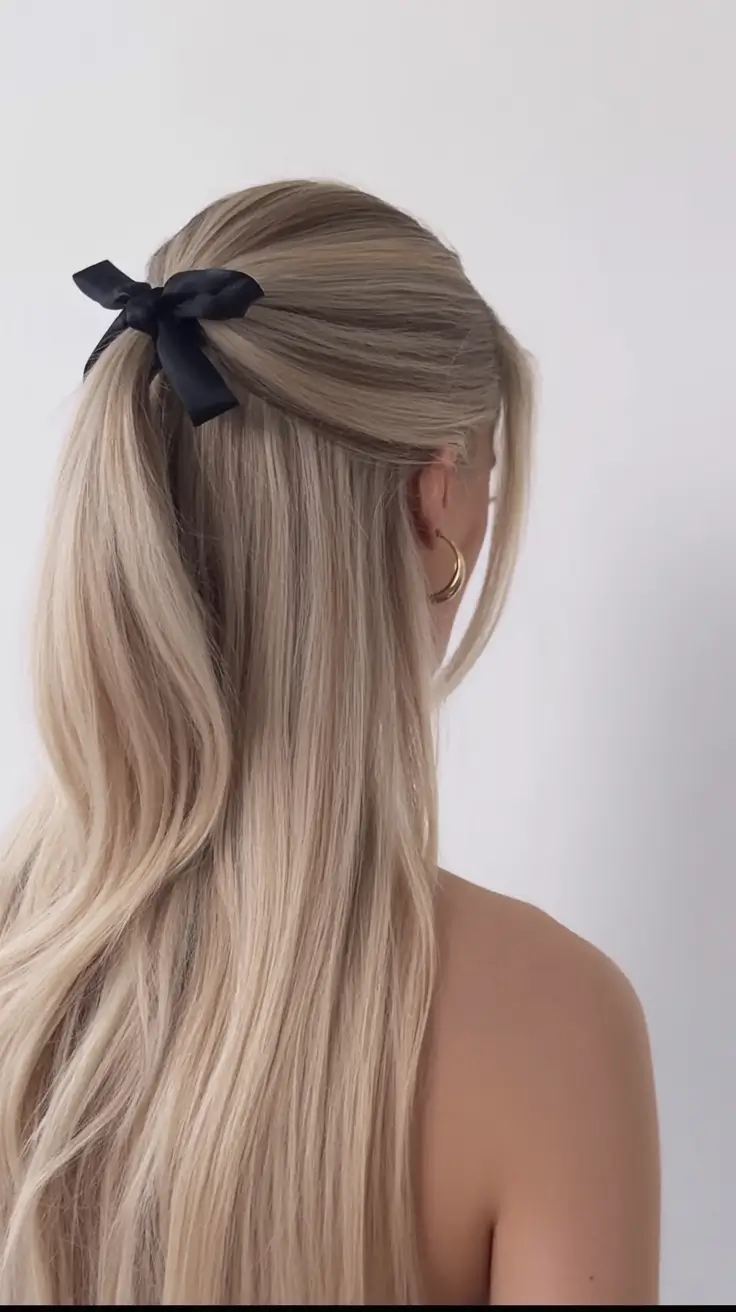
This shade suits a wide range of eye colors, though it looks particularly lovely on green and hazel eyes, since the interplay of light and slightly deeper blonde tones tends to bring out multiple colors within the iris at once. Fair to medium skin tones with neutral undertones carry ribbon blonde especially well, since the softness of the technique avoids creating any strong contrast against the skin. Medium to long lengths show off this technique best, since the ribboning effect needs enough hair length for the color to visibly twist and flow as the hair moves.
Maintenance for classic ribbon blonde tends to be moderate, sitting comfortably between low upkeep balayage styles and higher upkeep all over blonde. A toning treatment every five to six weeks helps keep the lighter ribbons from drifting warm, while a smoothing hair oil used a few times a week keeps the overall look glossy and healthy. Many people pair this shade with loose curls created using a wand or hot rollers, since the added texture is really what brings the ribbon effect to life and makes the dimension throughout the hair fully visible.
Face-Framing Money Piece Blonde
Face framing money piece blonde remains one of the most requested placements in the industry, and for good reason, since it delivers maximum visual impact with a relatively small amount of lightening. The technique involves painting bold, bright pieces around the face, typically starting close to the part and framing the cheeks, while leaving the rest of the hair in its natural or slightly deeper base color. The contrast this creates instantly brightens the whole face, drawing attention upward toward the eyes and cheekbones in a way few other techniques can match.
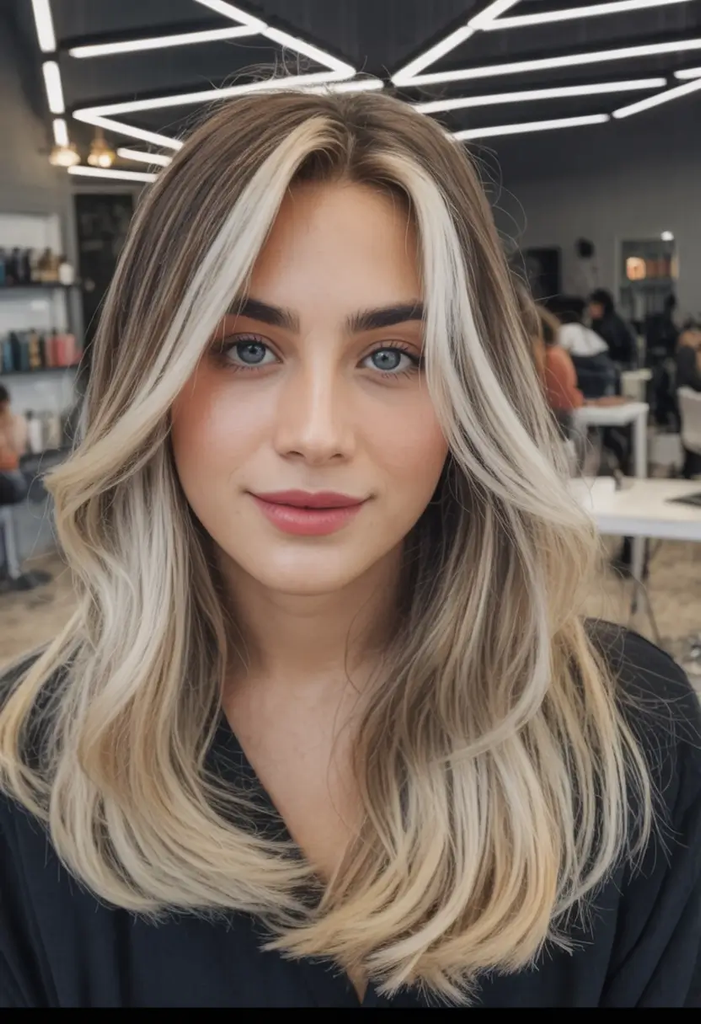
This placement is universally flattering across almost every eye color, though it has an especially brightening effect on brown and hazel eyes, since the lighter pieces framing the face create natural contrast that makes the eyes pop without needing any additional color throughout the rest of the hair. Every skin tone can wear a version of this technique, since colorists simply adjust the warmth or coolness of the money piece to complement the individual’s undertone. Round and square face shapes benefit the most from this placement, since the lighter pieces can be strategically positioned to soften or elongate the face depending on where they are painted.
One of the biggest appeals of money piece blonde is how low maintenance it is compared to full head blonde transformations, since only a small section of hair actually needs to be lightened and maintained. A purple shampoo used once a week keeps the framing pieces from turning brassy, and most people only need touch ups every ten to twelve weeks to keep the contrast looking fresh and intentional. This technique works beautifully with virtually any hairstyle, from sleek and straight to loosely curled, since the face framing pieces remain visible and effective regardless of how the rest of the hair is styled.
Rooted Blonde Dimension
Rooted blonde dimension focuses on creating depth through contrast rather than through multiple blonde tones scattered throughout the hair, keeping the natural root intact and gradually blending it into a lighter, more dimensional blonde through the mid lengths and ends. The technique relies on a soft shadow root that darkens naturally at the crown, then transitions smoothly into varying shades of blonde, giving the illusion of hair that has simply grown out and lightened over time rather than hair that has been heavily processed. It has become one of the most requested styles for people who want the look of blonde without the commitment of maintaining an all over lightened base.
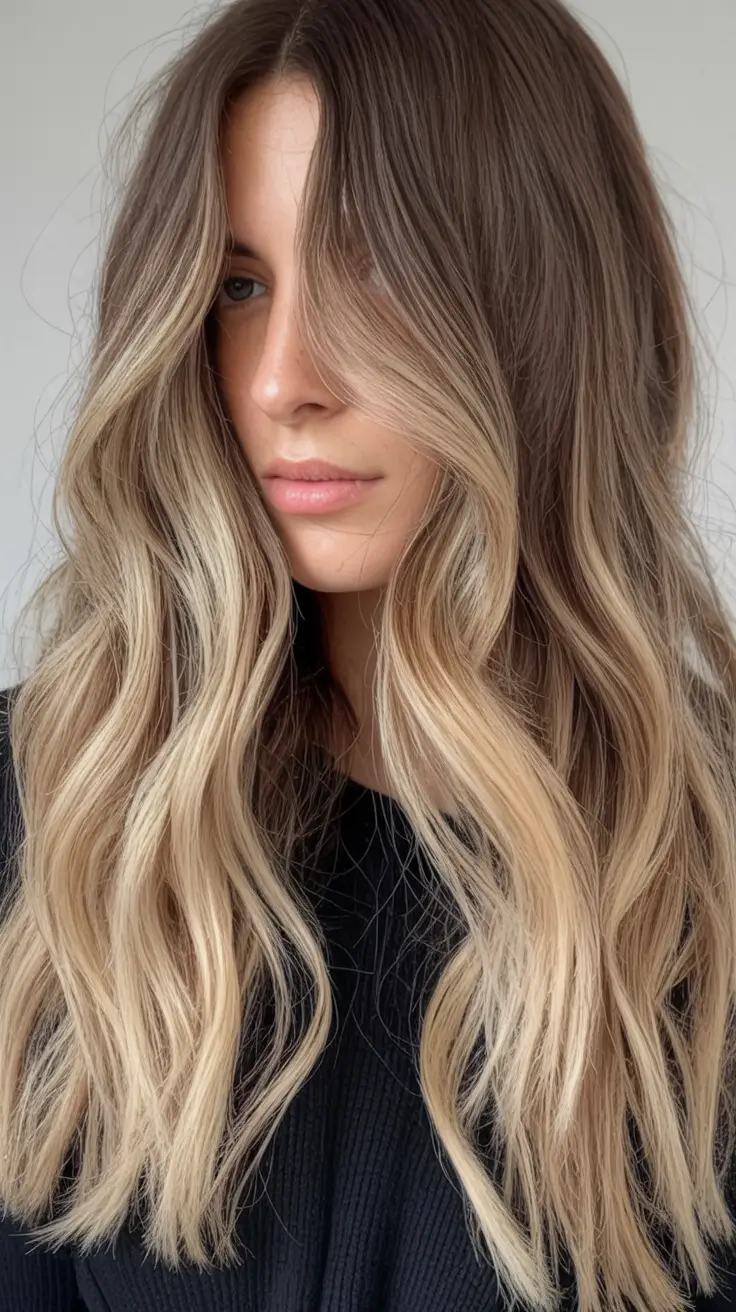
This shade works beautifully across a wide range of eye colors, though it tends to be especially striking on brown and hazel eyes, since the deeper root creates a natural frame that draws attention toward the eyes rather than competing with the overall color. Fair to deep skin tones can all wear a version of rooted blonde dimension, since the technique is easily adjusted in warmth and depth to complement almost any undertone. Longer layered styles and loose waves showcase this color especially well, since the movement helps reveal the gradual transition between the root and the lighter ends.
One of the greatest advantages of rooted blonde dimension is how forgiving it is when it comes to regrowth, since the intentional root means there is no harsh line to manage as the hair grows. Most people comfortably stretch salon visits to ten or twelve weeks, making it one of the more budget friendly options on this list. A weekly hydrating treatment keeps the lightened ends from feeling dry or brittle, especially during the colder winter months when moisture tends to be harder to maintain, and a light toning gloss every couple of months keeps the blonde pieces from drifting warm.
Chic Short Ash Blonde
Chic short ash blonde pairs a cropped, modern haircut with a cool, smoky blonde tone for a look that feels bold, confident, and undeniably fresh for the winter season. The shorter length allows the ash tone to be fully visible from every angle, since there is little length or layering to dilute the color, making the overall effect feel crisp and intentional rather than soft or undefined. This combination has become especially popular among people looking to make a dramatic change, since both the cut and the color represent a clear departure from longer, warmer blonde styles.
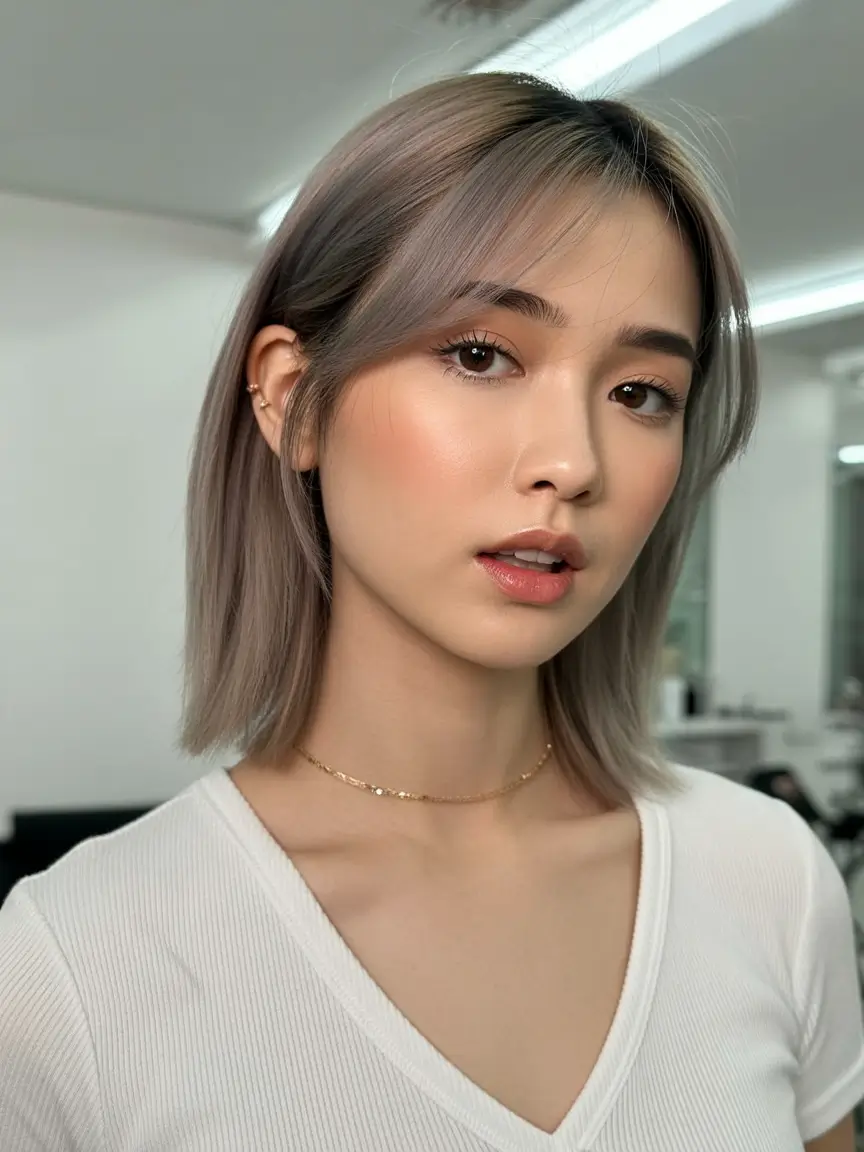
This shade is particularly flattering on people with blue, gray, or green eyes, since the cool ash tone tends to sharpen and brighten lighter eye colors in a way that feels striking against short hair. Fair to medium skin tones with neutral or cool undertones carry this look the most naturally, though a skilled colorist can soften the ash slightly to keep warmer skin tones from looking washed out. Because the style is short, it tends to suit oval, heart, and diamond face shapes especially well, since the cut can be tailored to highlight cheekbones and jawlines that a longer, softer style might otherwise cover.
Ash tones are prone to brassiness, so consistent toning is necessary to keep this look sharp, particularly with a shorter cut where regrowth and fading are both more noticeable. A purple shampoo used two to three times a week helps maintain the coolness of the tone, and most people schedule salon visits every five to six weeks to keep both the cut and the color looking crisp. Styling is refreshingly simple with this look, since a quick blow dry with a round brush or a light texturizing product is usually all that is needed to keep the shape polished.
Soft Sand Balayage
Soft sand balayage delivers a warm, sun kissed effect that feels effortlessly natural, blending muted beige and sandy blonde tones through a hand painted technique that mimics the way hair would lighten gradually over a season spent outdoors. Unlike bolder, more saturated blonde shades, soft sand balayage stays intentionally understated, focusing on subtle variations in tone rather than dramatic contrast, which gives the finished look a soft, lived in quality that photographs beautifully in natural winter light.
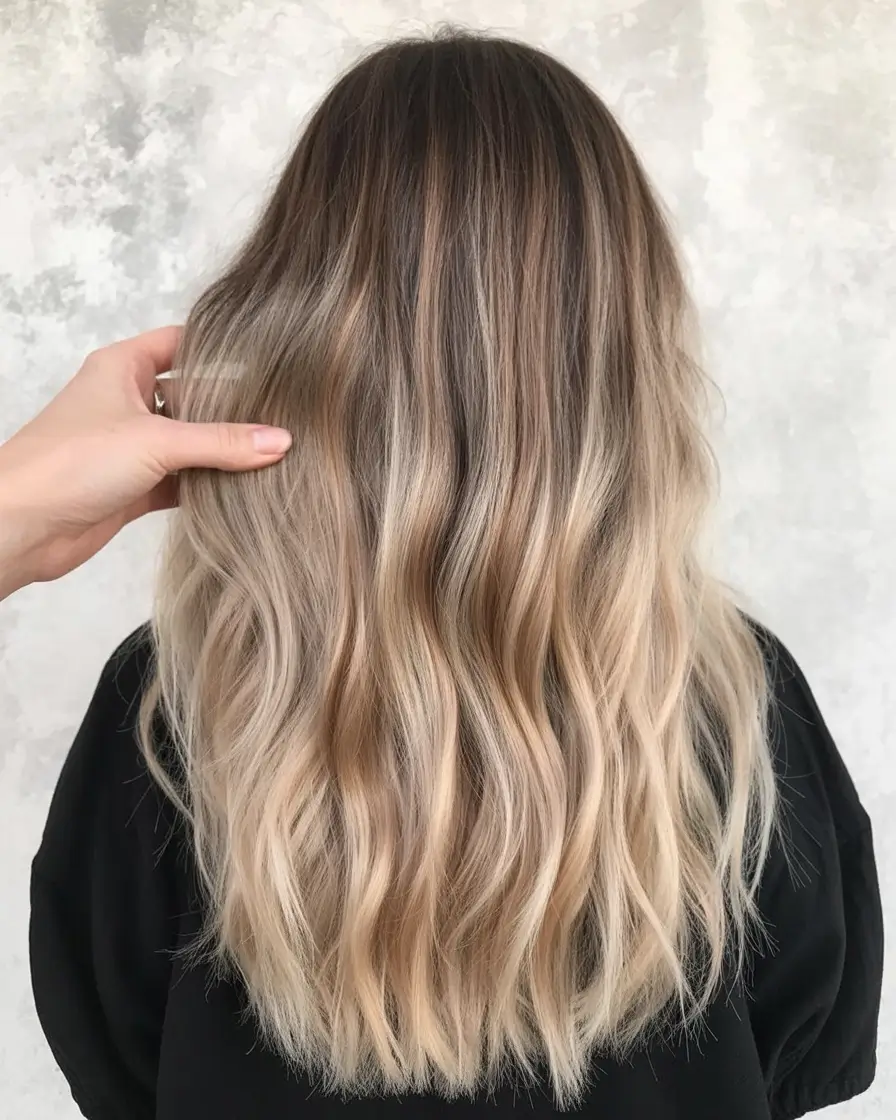
This shade suits a broad range of eye colors, though it looks especially soft and flattering on hazel and light brown eyes, since the muted sandy tones enhance warmth in the iris without overpowering it. Fair to medium skin tones with neutral or warm undertones tend to wear this color the most seamlessly, since the sandy base blends naturally into most complexions without creating any harsh contrast. Medium to long lengths with soft layers show off this technique especially well, since the gentle variation in tone needs enough movement in the hair to be fully visible and dimensional.
Soft sand balayage is one of the lower maintenance options on this list, since the muted, natural tones fade gracefully rather than turning brassy or obviously grown out. A hydrating mask used weekly helps keep the ends looking soft and glossy, especially important during winter months when hair tends to lose moisture more quickly. Most people can comfortably stretch salon visits to ten or twelve weeks, and a light toning gloss every few months is usually enough to keep the sandy tones looking fresh, cohesive, and effortlessly natural throughout the growing out process.
Smoky Silver Ombre
Smoky silver ombre takes the classic ombre technique and gives it a cool, moody update, transitioning from a deeper, smoky root into a striking silver blonde toward the ends for a look that feels dramatic without losing any of its wearability. Unlike traditional ombre styles that can sometimes feel dated with their harsh, obvious line of demarcation, this version blends the smoky root into the silver ends so gradually that the transition feels almost seamless, giving the hair a soft, gradient like quality from crown to tip.
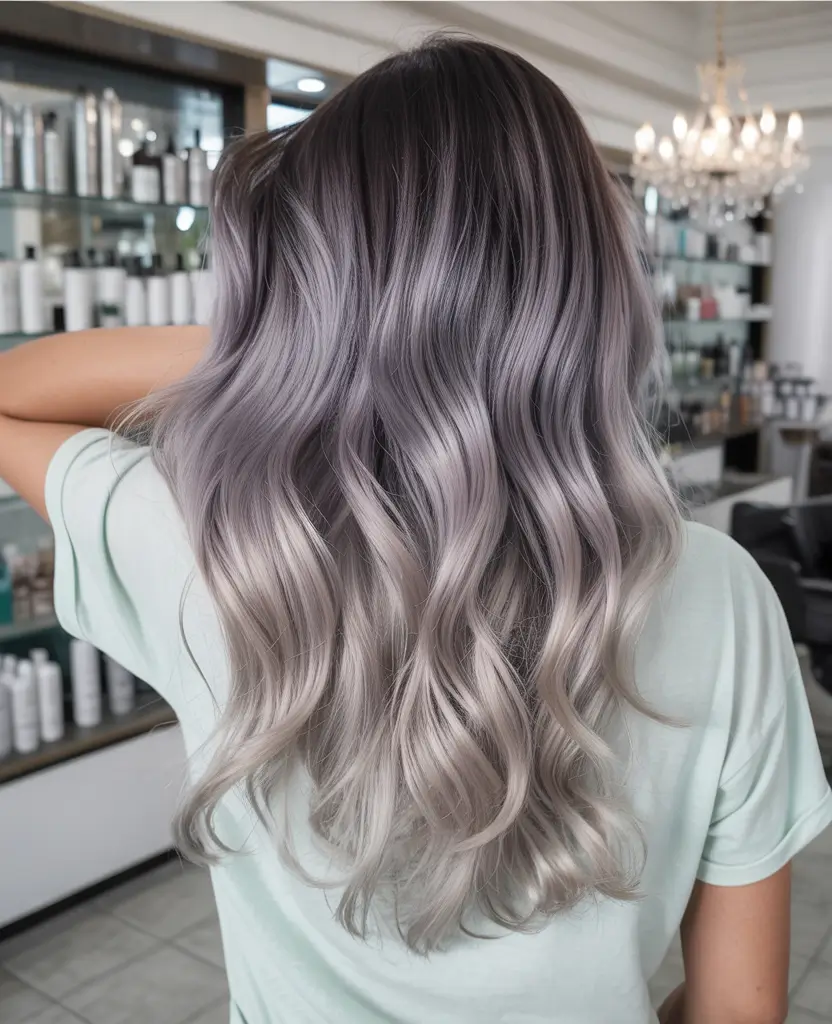
This shade is a striking match for people with blue, gray, or light hazel eyes, since the smoky undertones combined with the icy silver ends create a cool overall effect that intensifies lighter eye colors significantly. Fair to medium skin tones with cool or neutral undertones tend to carry this shade most naturally, since deeper, warmer complexions can occasionally clash with such a distinctly cool color story. Long, straight, or gently waved styles show off this ombre especially well, since the length gives the gradient enough room to develop and become visible from root to end.
Because the ends of this style are lightened quite significantly, maintenance leans a bit heavier than some of the more rooted, lower upkeep options on this list. A purple or silver toning shampoo used two to three times a week is essential to prevent the silver ends from shifting toward a dull yellow, and a bond repairing treatment helps keep hair that has been lightened this much feeling strong and resilient. Salon visits every eight to ten weeks help maintain the smoky root while refreshing the silver tone at the ends, keeping the overall gradient looking crisp and intentional rather than faded.
Golden Balayage Waves
Golden balayage waves brings together two of the most beloved elements in blonde hair, a warm, sun kissed balayage and soft, romantic waves, for a look that feels rich, textured, and effortlessly glamorous throughout the colder months. The color itself blends multiple shades of gold and honey blonde, hand painted throughout the hair to create dimension that looks completely natural, almost as though the hair lightened gradually over time rather than through a single salon visit. When paired with loose waves, the golden tones catch the light beautifully with every movement, giving the whole look a soft, luminous quality.
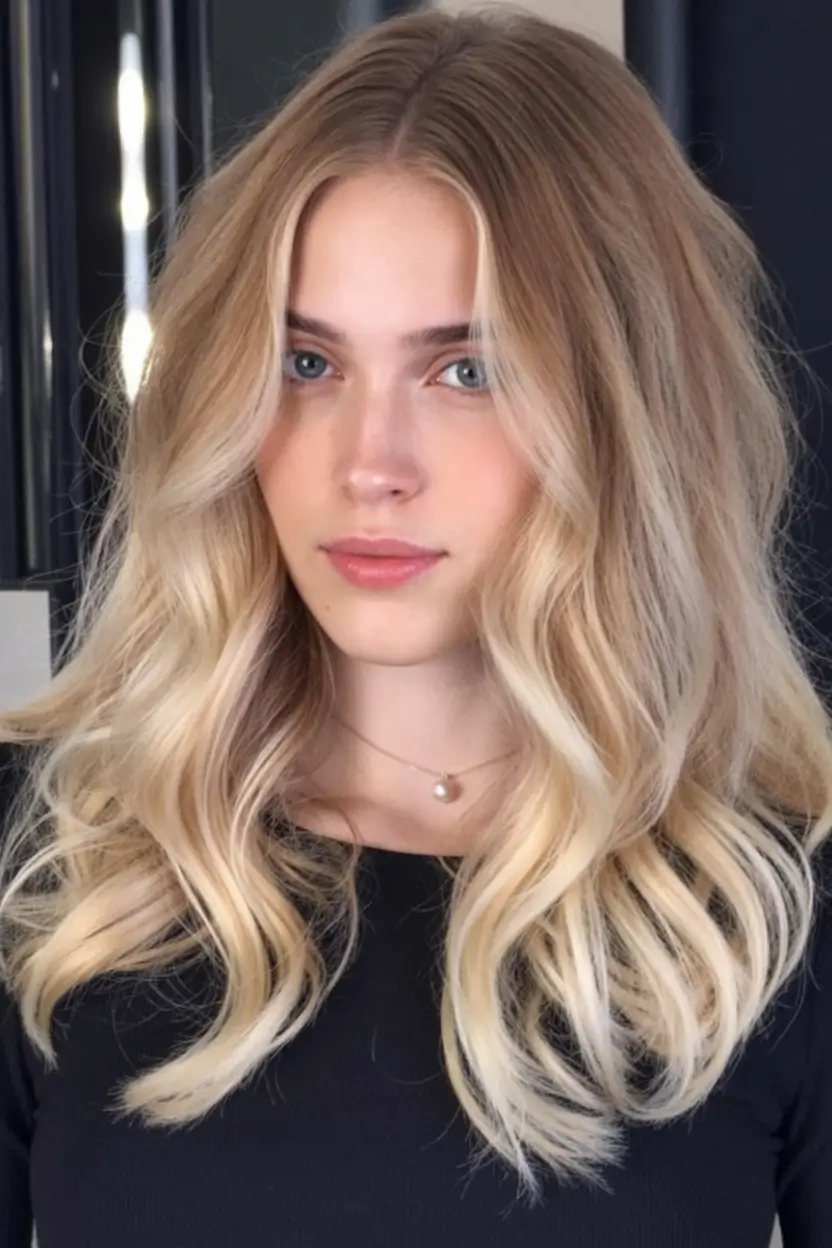
This shade pairs wonderfully with brown and hazel eyes, since the warm golden tones bring out amber and green flecks within the iris, creating a cohesive, sun warmed effect throughout the whole face. Medium to deep skin tones with warm or olive undertones tend to glow especially beautifully with this color, though it can be softened for fairer skin by reducing the intensity of the deeper golden pieces. Because the waves are such a central part of this look, medium to long lengths work best, giving the curls enough room to form and the color enough space to show its full range of gold and honey tones.
Golden balayage waves requires moderate maintenance, since warm tones can occasionally shift unevenly if exposed to excessive heat styling or hard water. A weekly deep conditioning treatment helps keep the golden tones rich and glossy rather than dull, and most people schedule touch ups every nine to ten weeks to refresh the balayage and keep the color looking vibrant. A curling wand or flexi rods are typically used to create the waves in this look, and many people find that the style actually looks better on the second or third day, once the curls have relaxed into a softer, more natural pattern.
Platinum Precision Cut
Platinum precision cut pairs one of the boldest, most striking blonde shades available with a sharp, meticulously cut hairstyle, creating a look that feels editorial, confident, and unmistakably intentional. The color itself is lifted to its lightest possible level, resulting in an almost white blonde that leaves no room for warmth or ambiguity, while the precision cut ensures every line and layer is crisp and deliberate. Together, the color and cut create a striking, high impact look that tends to draw attention immediately, making it a favorite among those who want their hair to feel like a genuine statement.
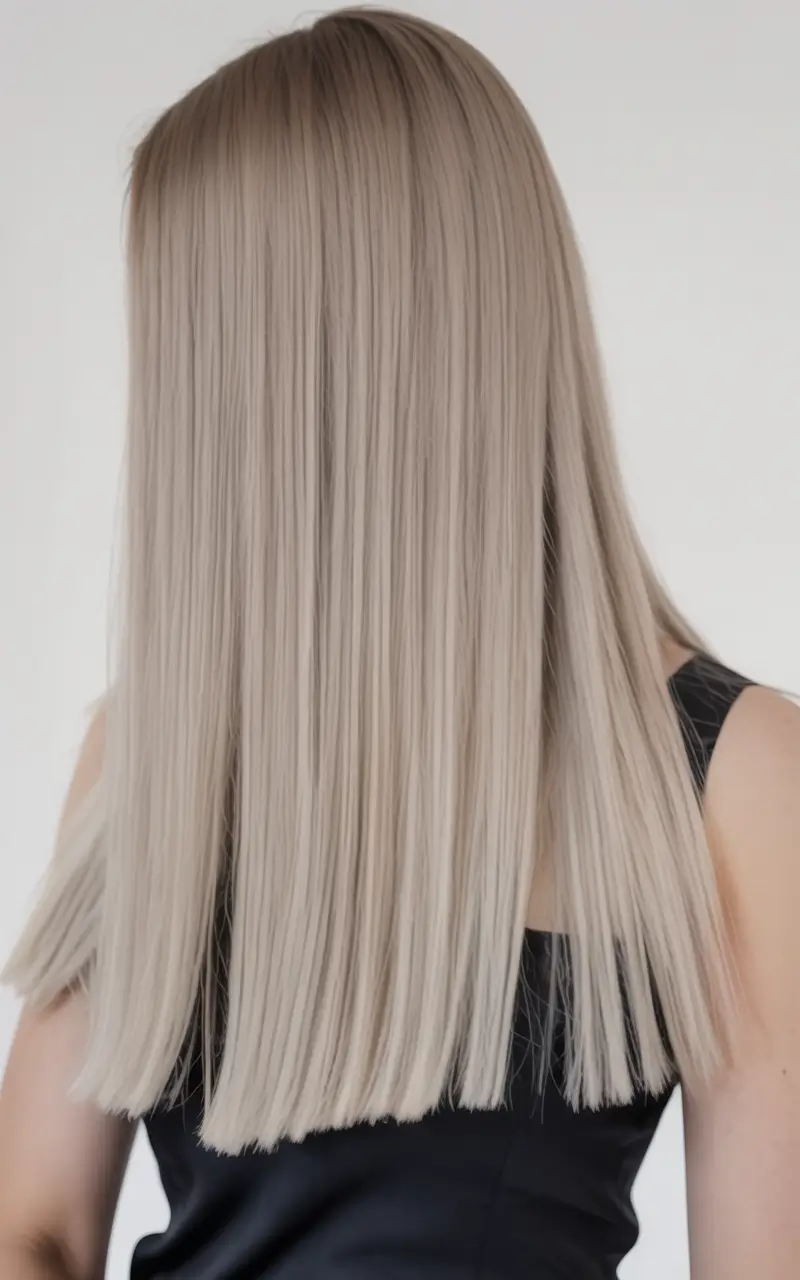
This shade is especially breathtaking on people with blue, gray, or very light green eyes, since the stark whiteness of the platinum tends to intensify pale eye colors dramatically, making them appear almost luminous by comparison. Fair skin tones with cool or neutral undertones tend to carry platinum most seamlessly, since deeper or warmer complexions can sometimes create a harsher contrast against such an intensely light shade. Because precision cuts rely so heavily on clean lines, this look tends to suit oval and heart shaped faces particularly well, allowing the sharpness of the cut to highlight strong cheekbones and a defined jawline.
Platinum precision cut is one of the higher maintenance choices on this list, both in terms of color upkeep and the need for regular trims to preserve the sharpness of the cut. A purple or silver toning treatment is typically necessary once or twice a week to prevent any warmth from creeping into such a light base, along with a strengthening treatment to support hair that has undergone significant lightening. Salon visits every four to six weeks are generally recommended to maintain both the crispness of the cut and the purity of the platinum tone, keeping the entire look feeling sharp, intentional, and polished.
Frosted Lilac Blonde
Frosted lilac blonde brings a whimsical, cool toned twist to classic blonde, weaving soft hints of lilac throughout a frosted, icy base for a color that feels playful yet still elegant enough for everyday wear. The frosting technique lightens strategic pieces to an almost white blonde, then a delicate lilac gloss is applied throughout, creating a shade that shifts subtly depending on the lighting, sometimes appearing as a soft, icy blonde and other times revealing a clear lavender shimmer. It offers a gentler, more wearable take on fantasy color, appealing to those who want a hint of something unexpected without straying too far from traditional blonde.
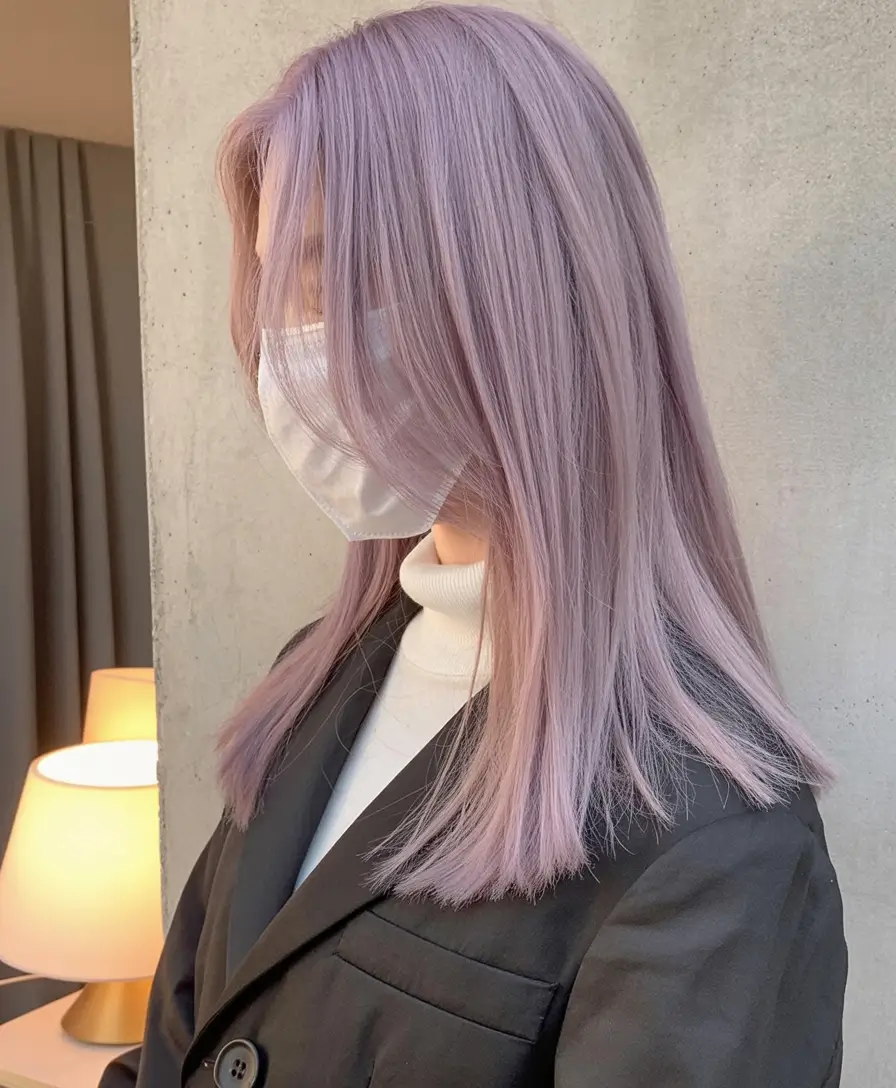
This shade is especially flattering on blue, gray, and light hazel eyes, since the cool lilac undertones tend to enhance lighter eye colors and give the whole complexion a soft, almost ethereal quality. Fair to light medium skin tones with cool or neutral undertones tend to wear frosted lilac blonde most naturally, since the color can sometimes clash with warmer, golden undertones in the skin. Shoulder length and longer styles with soft curls or waves show this color especially well, since the added texture gives the lilac shimmer more surface area to catch and reflect light throughout the day.
Because both the frosting and the lilac gloss are delicate, this shade requires fairly consistent upkeep to stay looking fresh and vibrant rather than fading into a flat, pale blonde. A purple or lilac toning conditioner used two to three times a week helps maintain the violet cast between salon visits, and most people schedule a gloss refresh every four to five weeks to keep the lilac tones from washing out completely. A lightweight styling cream paired with loose curls tends to bring out the shimmer in this shade best, allowing the lilac undertones to remain visible even as the hair moves throughout the day.
Rose Blonde Waves
Rose blonde waves combines a soft, romantic blonde base with delicate rose undertones, creating a shade that feels warm, feminine, and distinctly suited to the softer light of winter afternoons. Rather than a bold, saturated pink, the rose tones in this shade are kept subtle, blended seamlessly into a beige or golden blonde base so that the overall effect reads as a soft, rosy glow rather than an obvious fashion color. Paired with loose, romantic waves, the rose undertones become even more visible, catching the light with every movement and giving the whole look a soft, dreamy quality.
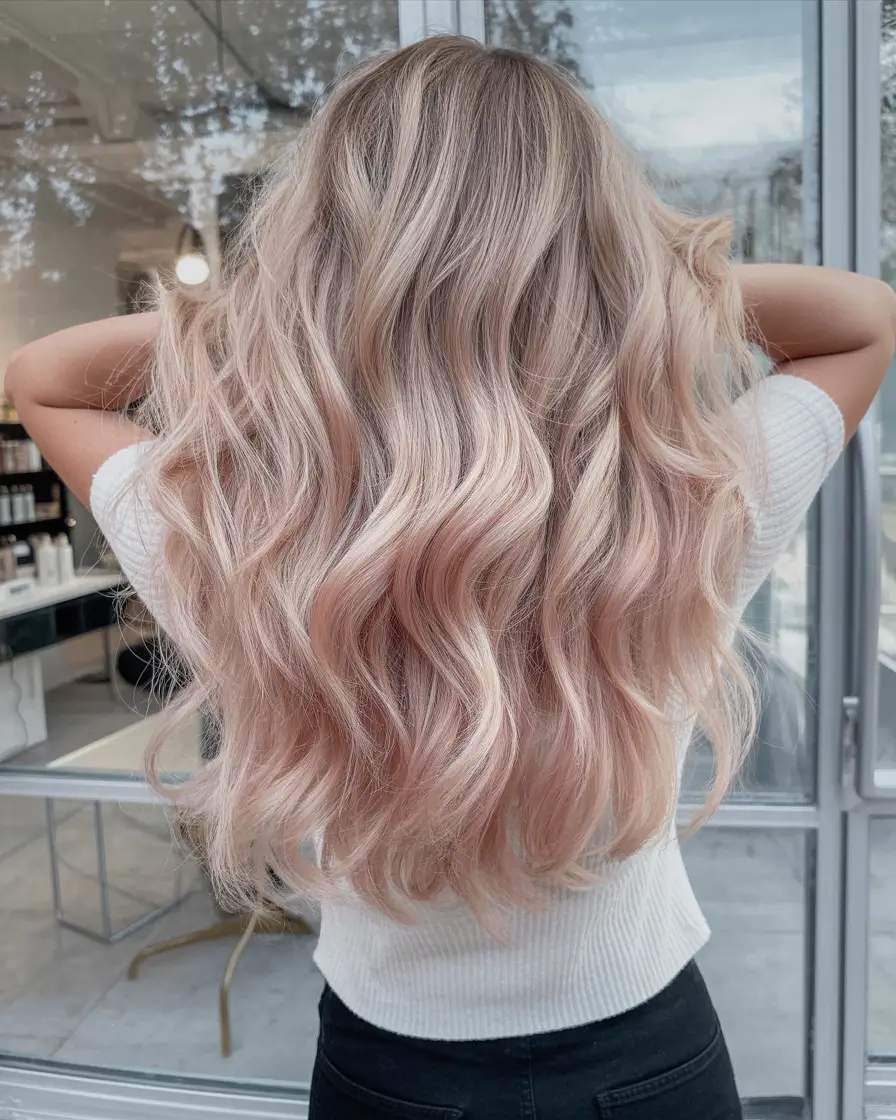
This shade pairs especially beautifully with green and hazel eyes, since the warm rose undertones tend to bring out golden and green flecks in the iris, creating a soft, cohesive glow throughout the entire face. Fair to medium skin tones with warm or neutral undertones tend to carry this shade most naturally, since the rose tint blends smoothly into most complexions without creating any harsh contrast. Medium to long lengths work best for showcasing this color, since the waves need enough length to fully form and the rose undertones need enough surface area to be visible throughout the hair.
Rose blonde waves requires moderate maintenance, since the delicate pink undertones tend to fade a bit faster than more neutral blonde shades. A rose or pink toning conditioner used once or twice a week helps refresh the color between salon visits, and most people schedule a gloss treatment every five to six weeks to keep the rose tones looking fresh rather than fading into a plain, flat blonde. A curling wand or flexi rods are typically used to achieve the soft waves that define this look, and the style tends to hold up beautifully for several days once the initial curl has softened.
Cool Beige With Face-Framing Flow
Cool beige with face framing flow combines a neutral, slightly cool beige base with strategically placed lighter pieces around the face, creating a look that feels sophisticated, brightening, and effortlessly put together. The base color itself sits in a neutral zone, cool enough to avoid any brassy warmth while still remaining soft enough not to feel harsh or overly icy. The face framing pieces are painted slightly lighter than the rest of the hair, drawing the eye upward and creating a brightening effect around the cheeks and eyes without requiring a full head of lightened hair.
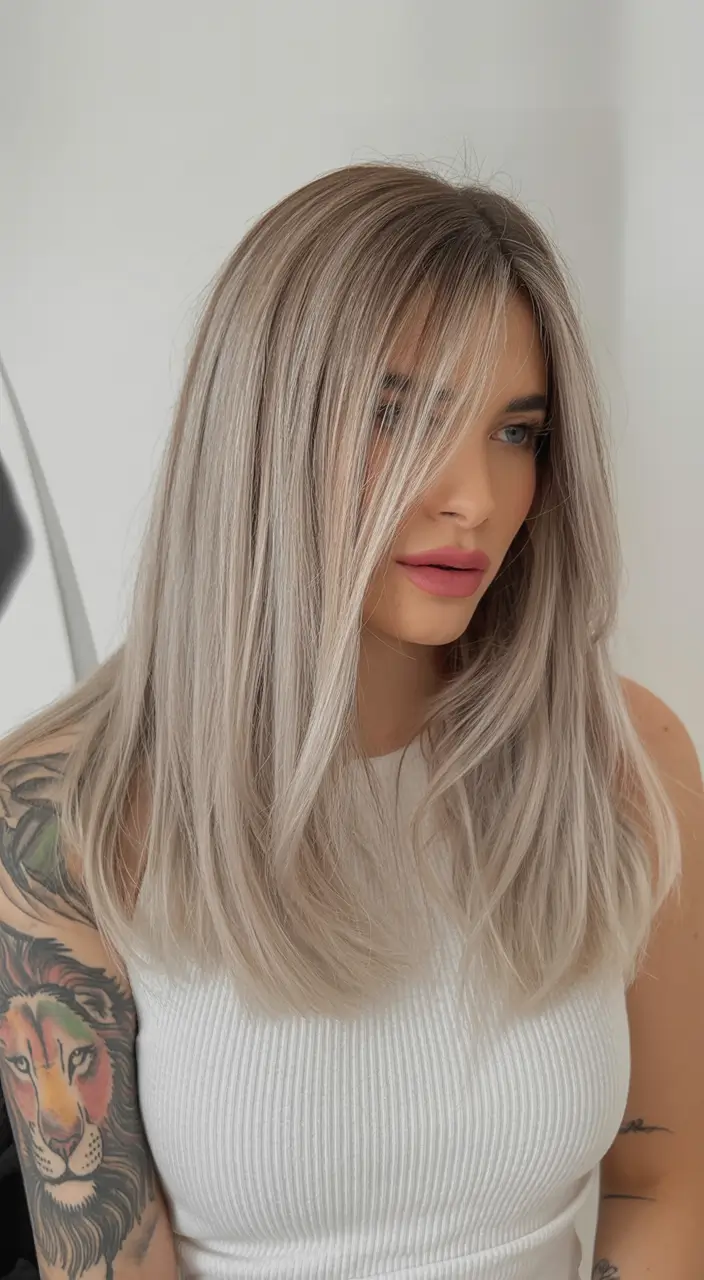
This shade flatters a wide range of eye colors, though it looks particularly striking on brown and hazel eyes, since the cool beige base creates a subtle contrast that makes warmer eye tones appear even more vivid by comparison. Fair to medium skin tones with neutral or cool undertones tend to wear this shade most seamlessly, since the beige base is specifically formulated to avoid any unwanted warmth. This combination works beautifully across a range of face shapes, since the face framing pieces can be adjusted in placement and width to either soften angular features or add definition to softer, rounder faces.
Maintenance for this look tends to be moderate, since the beige base requires occasional toning while the face framing pieces need slightly more frequent attention to stay bright and fresh looking. A purple or beige toning shampoo used once or twice a week helps keep both the base and the framing pieces looking cool and clean rather than drifting warm. Most people schedule touch ups every eight to nine weeks, focusing primarily on refreshing the face framing pieces since they tend to show growth more noticeably than the rest of the cool beige base, which blends more naturally as it grows out.
Smooth Vanilla Layers
Smooth vanilla layers pairs a soft, creamy blonde shade with a long, gently layered haircut, creating a look that feels polished, soft, and effortlessly elegant throughout the winter season. The color itself sits somewhere between beige and buttery blonde, formulated to feel smooth and cohesive rather than dimensional, giving the hair an almost monochromatic, satin like finish. The layers add just enough movement to keep the style from feeling flat, allowing the vanilla tone to catch light gently along the ends without creating any dramatic contrast throughout the rest of the hair.
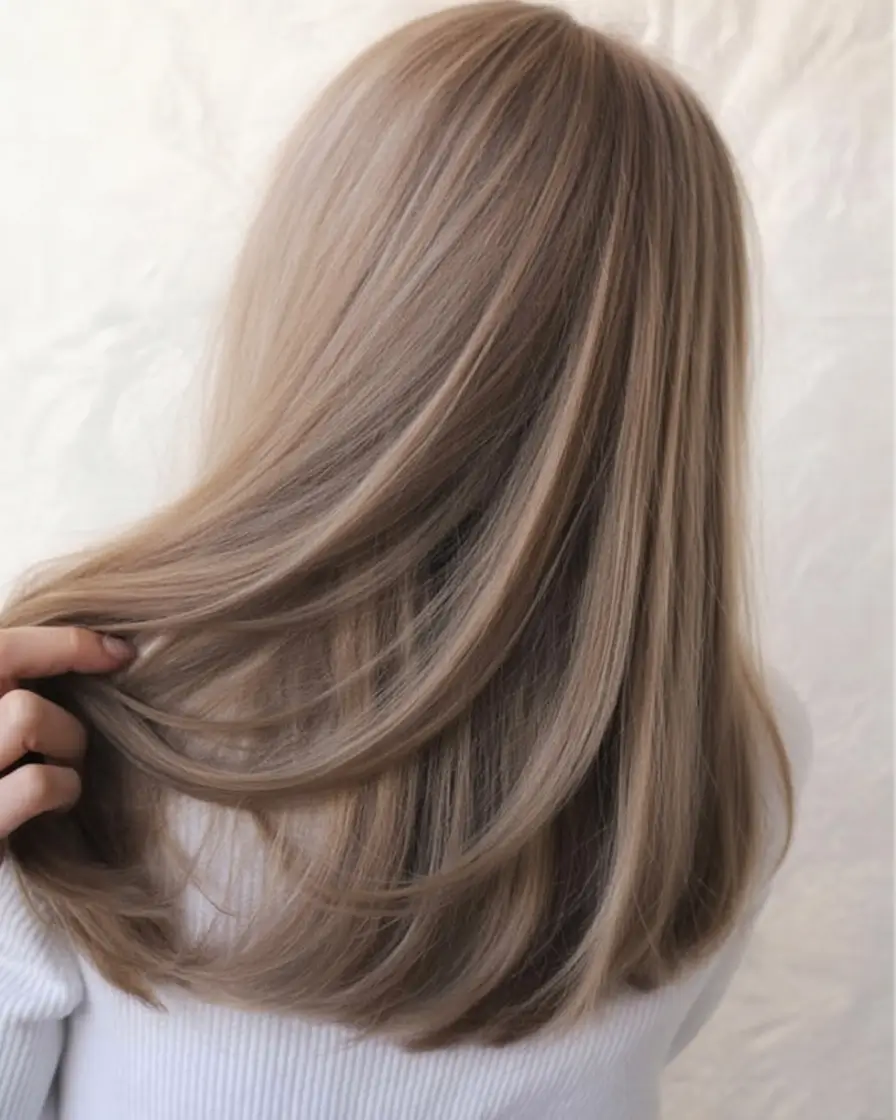
This shade suits a wide variety of eye colors, though it looks especially soft and flattering on brown and hazel eyes, since the creamy warmth of the vanilla tone enhances golden undertones without overwhelming the overall complexion. Fair to medium skin tones with neutral or warm undertones tend to wear this shade most naturally, since the soft, muted quality of vanilla blonde blends easily into most skin tones without creating harsh contrast. Long to medium lengths with soft, face framing layers show off this color especially well, since the layers help the light catch the vanilla tone evenly throughout the hair rather than concentrating it in just one area.
Smooth vanilla layers is relatively easy to maintain, since the muted, cohesive nature of the color means there is little risk of an obvious grown out line or harsh contrast as the hair grows. A hydrating mask used weekly keeps the ends looking soft and glossy, which is especially important during the drier winter months when hair tends to lose moisture more quickly. Most people can comfortably stretch salon visits to nine or ten weeks, with a light gloss treatment in between appointments being enough to keep the vanilla tone looking smooth, creamy, and consistently polished.
Dimensional Ash Balayage
Dimensional ash balayage rounds out this list with a cool, layered take on the balayage technique, blending multiple shades of ash and cool beige blonde throughout the hair to create depth without any warmth creeping into the overall result. Unlike a flat, single tone ash color, this technique hand paints several complementary cool shades throughout the hair, ranging from a soft smoky base to lighter, almost silvery pieces near the ends, giving the color a rich, multidimensional quality that still reads as distinctly cool and wintery.

This shade pairs beautifully with blue, gray, and green eyes, since the layered cool tones throughout the hair tend to intensify lighter eye colors significantly, making them the clear focal point of the overall look. Fair to medium skin tones with cool or neutral undertones tend to carry this shade the most naturally, since the multiple ash tones can occasionally clash with warmer, golden undertones in the skin. Medium to long lengths with soft waves or loose curls show off this technique especially well, since the movement in the hair allows all the different ash tones to become visible and catch the light from multiple angles.
Because this look relies on several cool tones layered throughout the hair, maintenance is a bit more involved than with a simpler, single tone balayage. A purple or silver toning shampoo used two to three times a week is essential to prevent any of the ash tones from drifting warm, and a bond strengthening treatment helps keep hair that has undergone this much dimensional lightening feeling healthy rather than brittle. Salon visits every eight weeks help refresh the balayage and maintain the crisp, cool quality of the color, keeping the dimension looking fresh and intentional rather than fading into a single, flat ash tone.
Final Thoughts
Choosing the right blonde for winter really comes down to understanding how a shade interacts with your eyes, skin, and the way you like to style your hair day to day. From the icy drama of platinum precision cuts to the warm, cozy glow of golden honey shine, this season proves that blonde is no longer a single look but a whole spectrum of possibilities. Whether you gravitate toward something bold and unexpected like frosted lilac or something timeless and low maintenance like classic beige, the goal is the same, a color that feels like it was made specifically for you rather than pulled from a generic trend list.
If you are still deciding, start by thinking about how much upkeep you genuinely want to commit to, since rooted and balayage techniques tend to be far more forgiving than all over lightened shades like platinum or silver. Bring a few of these ideas to your colorist along with a note about your eye color and skin undertone, and let them fine tune the formula so it works beautifully with your natural coloring. Whichever shade you land on, winter 2026 to 2027 is proving that blonde has room for every personality, every maintenance level, and every eye color, so take your time and pick the one that makes you feel the most like yourself.


